
The success of any bathroom remodel starts with understanding standard dimensions. A typical full bathroom is about 40 square feet (5'x8'), while a primary bathroom starts at 100 square feet (10'x10'). Building codes require specific clearances, such as 30 inches of total width for a toilet. Knowing these key numbers helps you design a bathroom that is functional and comfortable. It also keeps your floor plan code-compliant and prevents costly mistakes.
- Your Remodel Starts Here: The Bathroom Dimensions Master Cheat Sheet
- Decoding Bathroom Types: A Visual Glossary for Homeowners
- The Half Bath (Powder Room)
- The Three-Quarter Bath
- The Full Bathroom
- The Primary (Master) Bathroom
- The Complete Dimensional Guide: From Powder Rooms to Primary Suites
- The Half Bath / Powder Room: Maximizing Minimal Space
- The Three-Quarter Bath: The Flexible Footprint
- The Full Bathroom: Deconstructing the 5'x8' Standard
- The Primary (Master) Bathroom: Planning Your Personal Spa
- The Rules of the Room: Building Codes & Clearances Made Simple
- The "Elbow Room" Mandate: Toilet & Water Closet Clearances
- Creating Flow: Walkways, Doors, & Ceiling Height
- A Note on Local Codes: The "California Question" & How to Find Your Rules
- Sizing the Components: A Reference Guide to Bathroom Fixtures
- Beyond the Standard: Specialized Bathroom Considerations
- Designing for Accessibility: A Deep Dive into ADA-Compliant Bathrooms
- The Wet Room Concept: A Modern, Space-Saving Approach
- Putting It All Together: Your 3-Step Bathroom Layout Plan
- Step 1: Measure & Map Your Space
- Step 2: Prioritize Fixtures & Create Zones
- Step 3: Visualize Your Design
- Frequently Asked Questions
- What is a good size for a bathroom?
- What are the dimensions of a standard master bathroom?
- What is the smallest size for a full bathroom?
- How much space do you need for a toilet?
- How do you lay out a small bathroom?
- From Dimensions to Your Dream Bathroom
Your Remodel Starts Here: The Bathroom Dimensions Master Cheat Sheet
The crucial first step in any bathroom remodel is understanding the standard dimensions for the space you have and the one you want. This cheat sheet provides a quick overview of the most common bathroom sizes to help you begin planning.
Bathroom Type | Typical Square Footage | Common Dimensions (L x W) | Fixtures Included | Best For |
Half Bath / Powder Room | 15-32 sq ft | 3'x6', 5'x5' | Toilet, Sink | Guest use on main floors |
Three-Quarter Bath | 36-40 sq ft | 6'x6', 5'x8' | Toilet, Sink, Shower | Guest bedrooms, basements |
Standard Full Bath | 40-60 sq ft | 5'x8', 6'x10' | Toilet, Sink, Bathtub/Shower | Family homes, secondary bedrooms |
Primary Bath - Standard | 100-120 sq ft | 10'x10', 10'x12' | Separate Tub & Shower, Double Vanity | Private master suites |
Primary Bath - Luxury | 150-200+ sq ft | 12'x15' or larger | Expansive features, Water Closet | Spa-like personal retreats |
Decoding Bathroom Types: A Visual Glossary for Homeowners
Before you start your project, it's important to know the basic terminology for different bathroom types. Understanding these categories will help you define the scope of your remodel and communicate your vision clearly.
The Half Bath (Powder Room)
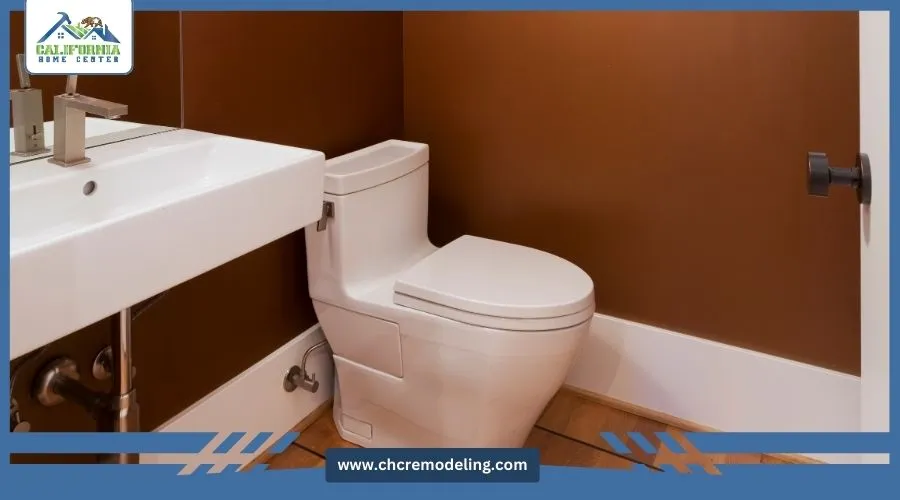
A half bath, also known as a powder room, contains only a toilet and a sink. These are typically located on the main floor for guest use.
The Three-Quarter Bath
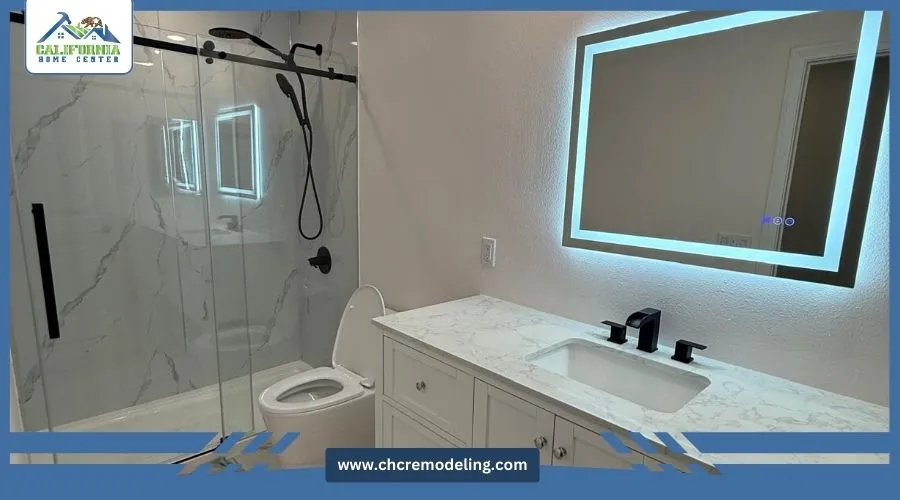
A three-quarter bath includes a toilet, a sink, and either a shower or a bathtub, but not both. Most often, this configuration includes a stand-alone shower.
The Full Bathroom
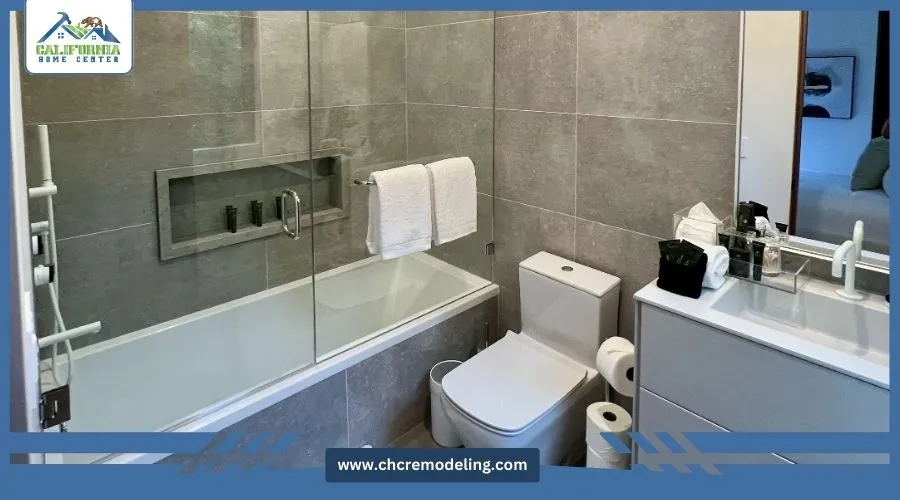
A full bathroom includes a toilet, sink, bathtub, and shower. In many homes, the tub and shower are combined into one unit to save space.
The Primary (Master) Bathroom
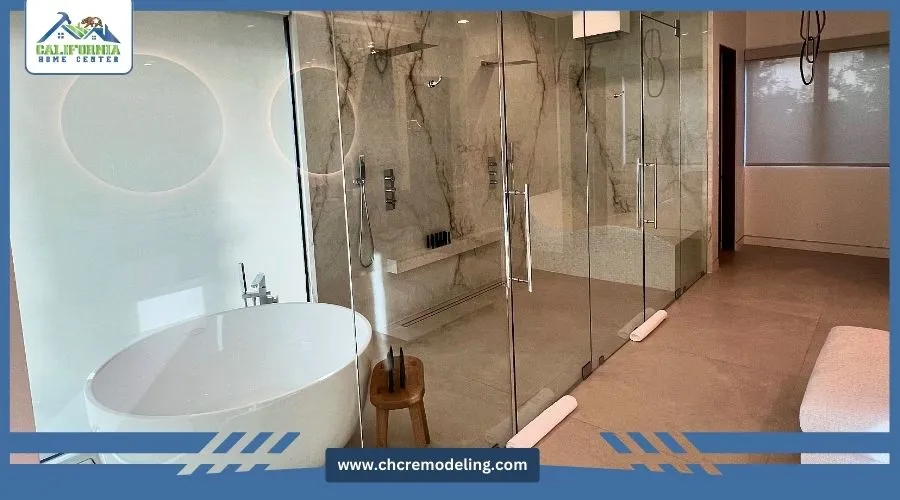
A primary bathroom is connected to the primary bedroom and contains all four fixtures. These are often designed as private retreats, with upgraded features like a separate soaking tub and a walk-in shower.
The Complete Dimensional Guide: From Powder Rooms to Primary Suites
Now that you know the types, let's look at the specific dimensions and common layouts for each. These details are essential for creating a functional and comfortable floor plan.
The Half Bath / Powder Room: Maximizing Minimal Space
The typical powder room size is between 18 and 30 square feet. The functional minimum bathroom dimensions for a half bath are around 15 square feet (3'x5'). To make the most of this compact space, consider space-saving fixtures like a pedestal sink or a wall-mounted toilet, which can make the room feel larger.
The Three-Quarter Bath: The Flexible Footprint
A three-quarter bath is usually between 36 and 40 square feet. To comfortably fit a standard 32"x32" shower stall, you will need at least 30 to 36 square feet. A 6'x6' layout is highly efficient, especially with a corner shower that opens up the floor plan.
The Full Bathroom: Deconstructing the 5'x8' Standard
The most common full bath layout is 5'x8', or 40 square feet. This industry standard is based on the length of a typical alcove bathtub, which is 60 inches (exactly 5 feet). This allows the tub to fit perfectly along the short wall, with the toilet and vanity arranged along the longer wall. While this is efficient, a slightly larger footprint, like 6'x10' or 9'x9', provides more room for a double vanity or extra storage.
The Primary (Master) Bathroom: Planning Your Personal Spa
Primary bathroom sizes vary depending on how simple or luxurious you want the space to be. An entry-level primary bath is about 100-120 square feet (10'x10' or 10'x12'), which is enough space for a double vanity, a separate shower, and a tub.
A luxury primary bathroom starts at 150 square feet and can easily exceed 200 square feet, allowing you to create a personal retreat with features like a large walk-in shower, a freestanding tub, and a private toilet room (water closet).
The Rules of the Room: Building Codes & Clearances Made Simple
Every bathroom remodel must follow local building codes to ensure safety and comfort. These rules mainly focus on providing enough clear space around fixtures for easy and safe use.
The "Elbow Room" Mandate: Toilet & Water Closet Clearances
You must have adequate toilet clearance. Building codes require a minimum of 15 inches from the toilet's centerline to any side wall or fixture, meaning you need a total width of at least 30 inches. Additionally, there must be at least 21 to 24 inches of clear space in front of the toilet.
Creating Flow: Walkways, Doors, & Ceiling Height
Proper flow is key to a functional bathroom. Walkways should be at least 32 to 36 inches wide. Also, ensure the bathroom door can swing open without hitting any fixtures. In tight spaces, a pocket door is a great solution. Finally, codes require a minimum ceiling height of 80 inches over all fixtures.
A Note on Local Codes: The "California Question" & How to Find Your Rules
Minimum bathroom size requirements aren’t universal — they’re set by local building codes. For example, California does not have a single statewide rule for the smallest legal bathroom size. Instead, each municipality adopts and enforces the California Building Standards Code (CBC), which can vary by city or county.
To avoid surprises, always check your local building department’s website or consult a licensed contractor familiar with your area’s codes. This ensures your remodel is both safe and compliant.
Sizing the Components: A Reference Guide to Bathroom Fixtures
The size of your fixtures will directly impact your floor plan. This table provides the standard dimensions for common bathroom components to help you make selections that fit your space.
Fixture Type | Common Width | Common Depth | Common Height | Notes |
Toilet (Standard) | ~20 inches | 28-30 inches | 28-32 inches | Comfort height models are 17-19" high. |
Vanity (Single Sink) | 24", 30", 36", 48" | ~21 inches | 32-36 inches | Vanity depth is fairly standard; width varies most. |
Vanity (Double Sink) | 60", 72" | ~21 inches | 32-36 inches | Requires a larger bathroom footprint. |
Shower Stall | 32"x32", 36"x36", 36"x48" | N/A | N/A | A 32"x32" shower size is a common standard. |
Bathtub (Alcove) | 60 inches (Standard) | 30-32 inches | 14-16 inches | Bathtub dimensions can be smaller (48") or larger (72"). |
Beyond the Standard: Specialized Bathroom Considerations
Some projects require unique planning, such as bathrooms designed for accessibility or modern wet rooms.
Designing for Accessibility: A Deep Dive into ADA-Compliant Bathrooms
For designing for Accessibility, ADA compliance is key. An accessible bathroom requires a 60-inch turning radius for a wheelchair, a toilet height of 17-19 inches, and a vanity no higher than 34 inches with open knee clearance. Features like roll-in showers and grab bars are also essential for safety and ease of use.
The Wet Room Concept: A Modern, Space-Saving Approach
A wet room is a fully waterproofed bathroom where the shower is open to the rest of the room. This design can make a small bathroom feel much larger by removing the shower enclosure. However, it requires careful planning of the floor slope and drainage to manage water spray effectively.
Putting It All Together: Your 3-Step Bathroom Layout Plan
Here is a simple framework to help you start creating your own bathroom layout.
Step 1: Measure & Map Your Space
First, create an accurate drawing of your current bathroom. Measure the walls and note the locations of doors, windows, and existing plumbing lines.
Step 2: Prioritize Fixtures & Create Zones
Next, list your "must-have" fixtures versus your "nice-to-haves." This helps you make smart choices if space is limited. Plan for convenient placement, especially for the most-used areas like the sink and vanity.
Step 3: Visualize Your Design
Finally, visualize your new layout. Use painter's tape on the floor to mark the footprint of your new fixtures. This gives you a real-world sense of the space and helps you spot any potential issues with your floor plan before construction begins.
Frequently Asked Questions
What is a good size for a bathroom?
A good size for a standard full bathroom is 40 to 60 square feet. For a more spacious primary bathroom, a good size starts at 100 square feet.
What are the dimensions of a standard master bathroom?
A standard master bathroom is typically at least 100 square feet, with common dimensions of 10'x10'. This provides enough room for a double vanity and separate tub and shower.
What is the smallest size for a full bathroom?
The minimum size for a full bathroom is around 36 to 40 square feet. This is most often achieved with a 5'x8' layout designed to fit a standard bathtub.
How much space do you need for a toilet?
You need a space that is at least 30 inches wide for a toilet. You also need at least 21 to 24 inches of clear space in front of it for comfortable access.
How do you lay out a small bathroom?
To lay out a small bathroom, use space-saving fixtures. A corner shower, a pedestal sink, and a pocket door can make a compact space feel more open and functional.
From Dimensions to Your Dream Bathroom
Understanding the numbers is the foundation of a successful remodel. This knowledge empowers you to plan a layout that is safe, comfortable, and functional for years to come.
Ready to Plan Your Perfect Layout? Our Design Experts Can Help. Schedule a Free Consultation.

41593 Winchester Rd Suite 200, Temecula, CA 92590
(951) 889-7577
https://chcremodeling.com
contact@chcremodeling.com