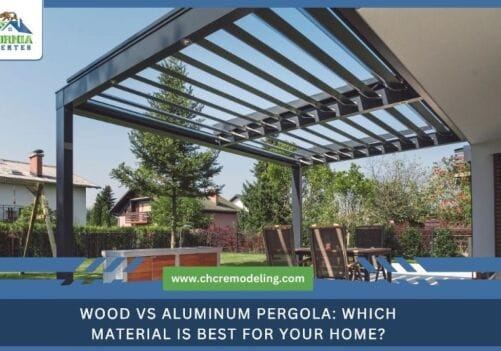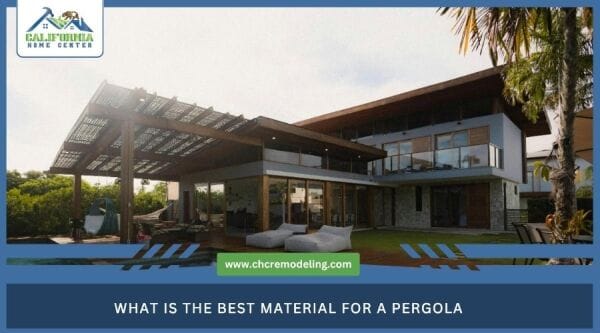
The best material for a pergola is architectural aluminum for low-maintenance durability or heavy timber for natural cooling and thermal mass. Your final choice depends heavily on your local climate, budget, and willingness to perform regular upkeep. Understanding the differences between wood and aluminum ensures you build a structure that lasts.
Selecting the correct structure means understanding how different building materials handle extreme sun, heavy rain, and local wind loads. Read the following guide to discover the most durable options for your backyard project.
- Material Comparison Breakdown
- Why Choose Architectural Aluminum
- When Is Heavy Timber the Better Option
- Different Types of Roof Materials Affect Your Space
- What Are the Local Building Codes and Compliance Standards
- What Materials Should You Avoid
- How to Move Forward with Your Project
- Frequently Asked Questions
- What is the penalty for non-compliance with local pergola permits?
- How long does a cedar wood pergola last?
- Does an aluminum patio cover get too hot?
- Can I build a patio cover directly on grass?
- Do pergolas actually increase home value?
Material Comparison Breakdown
Compare materials side by side to understand the long-term value of your investment. Review the differences in maintenance and durability below to make an informed decision.
| Material Type | Lifespan | Maintenance Required | Best Climate Application |
| Architectural Aluminum | Lifetime | None | Coastal areas and high fire risk zones |
| Heavy Timber | 15 to 20 years | Moderate | High heat areas requiring natural thermal mass |
| Vinyl | 5 to 10 years | Low | Mild climates with low ultraviolet exposure |
| Standard Steel | 10 to 15 years | High | Extremely dry inland regions |
Why Choose Architectural Aluminum
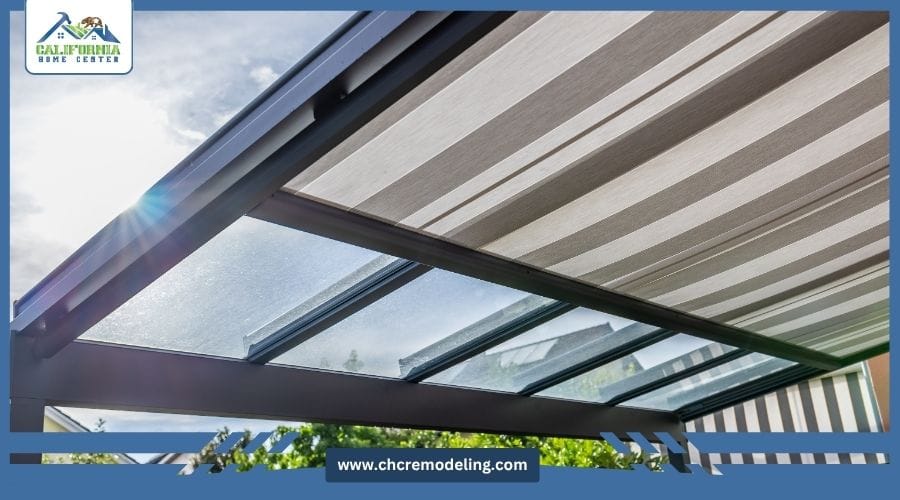
Architectural aluminum is a top choice for modern outdoor structures. It provides high structural integrity and requires almost zero maintenance over its lifespan.
Unlike steel, aluminum forms a natural oxide layer that stops rust. This chemical property makes it ideal for coastal areas with salty air.
Aluminum places less stress on your foundation while easily supporting heavy overhead loads. You never need to stain, seal, or paint an aluminum structure to maintain its appearance.
When Is Heavy Timber the Better Option
Heavy timber brings a classic architectural look and excellent natural cooling properties to your backyard. Wood acts as a thermal mass, meaning it absorbs heat rather than radiating it downward.
This thermal mass effect keeps your seating area noticeably cooler on hot summer afternoons. Cedar and redwood also naturally resist pests and decay.
However, wood requires planned upkeep. You must apply a new stain or weather sealant every two to three years to prevent dry rot and UV damage. Heavy wood structures perform exceptionally well in areas prone to high winds due to their natural weight and flexibility.
Different Types of Roof Materials Affect Your Space
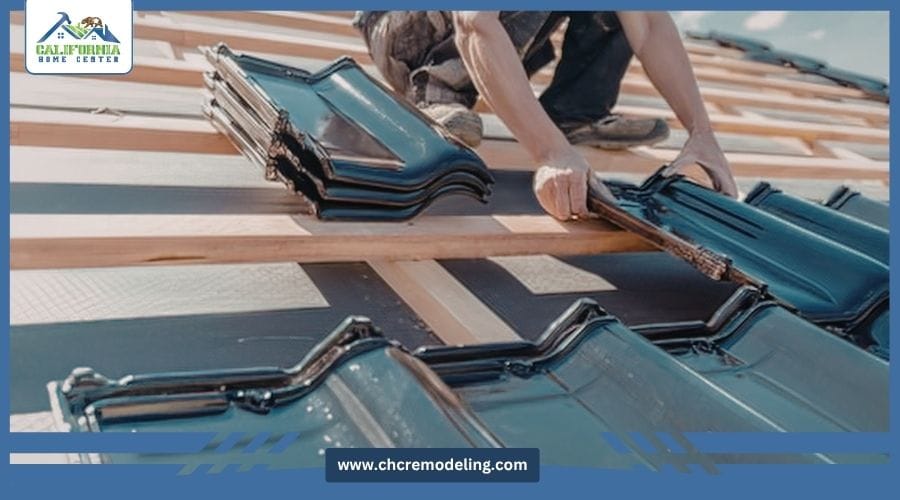
The overhead coverage you select determines your space's usability during bad weather. Consider different roof designs and shading materials before you build.
Different types of roof designs change the function of your patio. Review these options to maximize your outdoor comfort:
- Open lattice structures filter sunlight but allow rain and snow to pass directly through.
- Insulated metal panels provide complete rain protection and cast deep shade over your seating area.
- Adjustable roof slats let you control exact sunlight levels or close the roof entirely during rain.
What Are the Local Building Codes and Compliance Standards
Building a backyard structure requires navigating legal standards and local regulations. Organizations like the International Code Council develop global building standards that govern basic structural safety.
However, your local city rules dictate exactly what you can build. Keep these local compliance factors in mind:
- Most cities require a building permit for any attached structure or a detached unit over a specific square footage.
- Local laws often prohibit combustible materials if you live near dry brush or forests.
- You may need to use treated fire-retardant wood or noncombustible aluminum in high-risk zones.
- Property line rules dictate how close a structure can sit to your neighbor's fence.
Always verify your local zoning laws to avoid fines.
What Materials Should You Avoid
Choosing the wrong material leads to rapid weathering and expensive repairs. Protect your property value by avoiding these problematic options:
- Vinyl becomes brittle under heavy ultraviolet light exposure.
- High winds can easily shatter weakened vinyl components over time.
- Standard steel rusts quickly when exposed to rain or high humidity.
- Steel requires massive, expensive concrete footings due to its extreme weight.
How to Move Forward with Your Project
Choosing the right materials transforms a basic patio into a highly durable extension of your home. Focus on long-term value and weather resistance rather than just the initial price tag.
California Home Center is a full-service general contractor in Temecula CA, specializing in custom homes, ADUs, exterior remodeling, and comprehensive home remodeling for residential property owners. Contact our team to ensure your pergola installation meets all safety standards and local building codes.
Frequently Asked Questions
What is the penalty for non-compliance with local pergola permits?
Cities can force you to tear down unpermitted structures at your own expense. Local governments can also issue steep daily fines until you resolve the code violation.
How long does a cedar wood pergola last?
A well-maintained cedar structure lasts 15 to 20 years. You must apply a fresh coat of weather sealant every two years to prevent dry rot.
Does an aluminum patio cover get too hot?
Standard metal conducts heat, but premium aluminum structures use hollow extrusions to dissipate temperatures. Adding a ceiling fan to the design keeps the space comfortable during summer.
Can I build a patio cover directly on grass?
No. Heavy structures require proper concrete footings to prevent sinking and structural collapse. You must pour solid concrete anchors to ensure the posts remain stable.
Do pergolas actually increase home value?
Yes. High-quality outdoor living spaces offer a strong return on investment. Buyers frequently pay a premium for houses with permanent, well-built shade structures.

41593 Winchester Rd Suite 200, Temecula, CA 92590
(951) 889-7577
https://chcremodeling.com
contact@chcremodeling.com