Planning a new backyard space can feel like a huge task. You just want a beautiful area to relax with family. However, you also have to deal with strict city rules, tricky soil, and endless hardscape options. Knowing the right types of patios to build is just the start. This guide gives you the exact facts you need to plan a safe, legal, and stunning outdoor living space.
- What Are the Best Patio Installation Tips for Beginners?
- Zoning and Building Codes for Patio Installation
- How Do You Find Your Exact Property Lines?
- Managing Local Permeable Surface Limits
- What Are the Best Advanced Patio Installation Tips for Drainage?
- How Do You Prepare Soil for Hardscaping?
- Which Patio Installation Tips Help You Avoid Costly Mistakes?
- Bringing Your Patio Installation Vision to Life
- Frequently Asked Questions
- Is a patio installation legally required to have a permit?
- What are the best hardscape options for a new patio?
- How much slope does a patio need to prevent drainage issues?
- Can I build my outdoor living spaces right up to my property line?
- What is the difference between permeable pavers and regular concrete?
What Are the Best Patio Installation Tips for Beginners?
The best patio installation tips for beginners involve planning your underground utilities first, checking local property line rules, and choosing flexible materials. You must look past the visual design to prioritize a strong foundation, smart drainage, and long-term safety for your backyard remodel.
A top-tier custom design does not just happen by accident. It takes careful planning. You want to build an outdoor construction project that can handle extreme heat, sudden heavy rains, and shifting soil. Before you start digging, follow these essential foundational steps:
- Plan your future upgrades now: Run PVC pipes under your base for future gas lines or outdoor lighting before laying any stones.
- Focus on the slope: Always grade your soil so water flows safely away from your home to prevent major drainage issues.
- Choose the right materials: Pick interlocking pavers instead of solid poured concrete to handle natural soil movement without cracking.
- Know your property limits: Always check your local setbacks to ensure you do not build too close to your neighbor.
Zoning and Building Codes for Patio Installation
Before you start your project, you must check local zoning laws and national building codes. Most cities require strict adherence to property line limits, water runoff rules, and outdoor energy codes that dictate exactly how your new hardscape is safely built.
While the basic standard for a simple patio might just involve gravel and stone, your specific local city will likely require strict compliance with regional water and soil rules.
You cannot just build outdoor kitchens or fire pits wherever you want. It is highly recommended that you familiarize yourself with general safety rules by reviewing national building codes before designing the layout.
How Do You Find Your Exact Property Lines?
You can find your exact property lines and required setbacks by checking directly with your local city planning department or by hiring a professional surveyor.
You must understand these setbacks before you begin any work. A setback is the legal distance you must keep between your new patio and your neighbor's yard. Failing to honor this legal distance can result in heavy fines or even the forced demolition of your new hardscape by the city.
Managing Local Permeable Surface Limits
Many areas limit how much solid concrete you can pour. The EPA actually encourages the use of green infrastructure and permeable surfaces to help solve regional drainage issues.
Permeable pavers are special paving stones that let rainwater soak directly into the ground.
Keep this quick specs and costs summary in mind as you plan your project:
- Certification/Permit Required: Contextual. Basic ground-level patios may not need one, but adding gas lines, electrical outlets, or retaining walls will trigger permit requirements.
- Resource/Cost Investment: Medium to High. Budget $15 to $50 or more per square foot, depending on your hardscape options and site prep.
- Compliance/Audit Risk: High. Unpermitted work can stall future home sales or result in costly city fines.
What Are the Best Advanced Patio Installation Tips for Drainage?
The best advanced patio installation tips for drainage involve grading your soil away from the foundation and installing proper sub-surface systems. You must choose flexible hardscape options like interlocking pavers over rigid concrete to handle natural soil movement and prevent your patio from flooding your home.
The most important part of your project is the part buried underground. Proper landscape design accounts for heavy rain and soil movement so your outdoor space stays level over time. Follow these advanced drainage tips to protect your property:
- Establish a precise slope: Always grade the soil so the surface drops 1/4 inch for every foot it moves away from your house.
- Build a thick gravel base: Use crushed gravel under your stones to create a porous foundation that allows rainwater to naturally filter down into the earth.
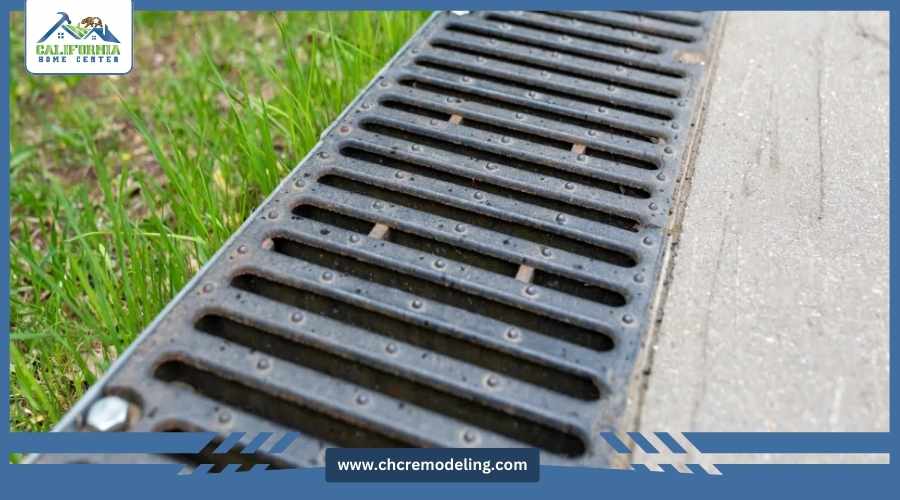
- Install hidden drainage pipes: For yards with heavy water flow, add French drains or surface channel drains to safely direct excess water out to the street.
- Skip the solid slabs: Rigid concrete slabs pool water and crack easily under pressure. Use permeable paving stones to let the ground breathe and safely absorb moisture.
How Do You Prepare Soil for Hardscaping?
You prepare soil for hardscaping by removing the soft topsoil, laying down a protective geotextile fabric, and compacting a thick layer of crushed gravel. Understanding your local ground conditions helps you establish a solid foundation that prevents your new patio from sinking over time.
To get this step right, you need to evaluate your yard before digging. California earth varies from heavy clay to loose sand. Checking your specific soil drainage and composition allows you to choose the exact base depth required to support heavy stones and outdoor living furniture.
Knowing your personal limits is important during this phase. Keep this complexity threshold in mind as you plan:
- What you can handle internally: Choosing your paver colors, deciding on the final patio shape, and picking out accessories.
- When you must hire an outside expert: Grading the earth to ensure perfect slopes, installing sub-surface French drains, calculating load-bearing soil limits, and pulling local city permits.
Which Patio Installation Tips Help You Avoid Costly Mistakes?
The most valuable patio installation tips focus on risk prevention, like locating underground utilities and installing utility sleeves for future upgrades. Ignoring these crucial planning steps can force you to tear up your finished hardscape and start completely over.
Do not build your backyard oasis in phases without a master plan. If you ever want to add an outdoor kitchen or a fire pit later, you will need a way to run gas and electricity to those features. You should lay down PVC pipes, called sleeves, under your gravel base before you place any stones. This allows you to slide wires or hoses right under the finished surface later without destroying your new yard.
Additionally, you must protect yourself from hidden dangers. Never start digging without checking for buried electrical lines or water pipes. You must always call before you dig to ensure you do not hit critical city infrastructure.
Keep an eye out for these common warning signs as you plan your project. Use this quick diagnostic table to troubleshoot potential hazards before they ruin your investment:
| Variable/Symptom | Impact/Cause | Recommended Action |
| Water pools near the house | Poor grading or slope | Regrade the soil to slope away from the foundation at a minimum of 1/4 inch per foot. |
| Cracks in solid concrete | Ground shifting or a poor base | Use flexible permeable pavers instead of a solid poured slab. |
| City inspector stops work | No permit pulled for the project | Stop work immediately and apply for the proper local building permits. |
Bringing Your Patio Installation Vision to Life
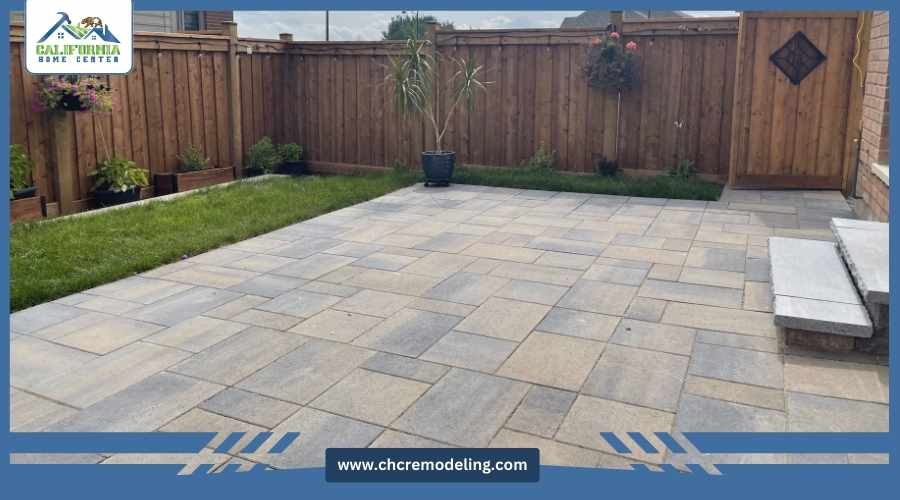
To successfully complete your patio installation, partner with a trusted local expert who understands regional soil types, zoning laws, and the best hardscape options. Hiring a professional ensures your backyard remodel is built to last, fully compliant, and perfectly tailored to your lifestyle.
Building the perfect outdoor living space requires a team that knows exactly how to handle the heavy lifting, navigate complex permit processes, and manage everything from the foundation to your pergola installation. California Home Center is a full-service general contractor in Temecula, CA, specializing in custom homes, ADUs, and comprehensive home remodeling for residential property owners. Contact us today to start planning your dream backyard oasis.
Frequently Asked Questions
Is a patio installation legally required to have a permit?
It depends on the scope of work. A simple ground-level stone patio might not need a permit. However, if you install retaining walls over a certain height or run gas lines, a permit is required by law. The penalty for non-compliance can include heavy fines.
What are the best hardscape options for a new patio?
Interlocking pavers are generally the best choice for a lasting patio. They handle soil movement better than solid concrete, which is highly prone to cracking over time.
How much slope does a patio need to prevent drainage issues?
A patio must always slope away from your home's foundation. The standard rule is a drop of 1/4 inch per foot to ensure water runs safely away from the house.
Can I build my outdoor living spaces right up to my property line?
No. You must follow local setback rules. Every city has specific laws detailing exactly how far structures and hardscape must be from your property lines and underground utility lines.
What is the difference between permeable pavers and regular concrete?
Permeable pavers allow rainwater to pass through their joints and safely soak into the soil below. Regular solid concrete blocks water completely, creating heavy surface runoff that can flood your yard.

41593 Winchester Rd Suite 200, Temecula, CA 92590
(951) 889-7577
https://chcremodeling.com
contact@chcremodeling.com