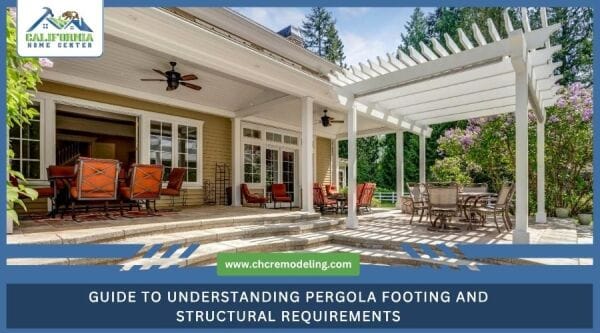
Pergola footing requirements dictate that concrete support piers must extend below the local frost line, typically 12 to 48 inches deep, and measure 10 to 16 inches in diameter. Meeting these exact depth and width specifications distributes the structural load, prevents frost heave, and stops the posts from sinking over time. Understanding these structural baselines is mandatory before building a pergola to ensure your new outdoor addition remains a safe, permanent, and code-compliant structure.
- Quick Reference for Pergola Project Planning
- Mandatory Pergola Building Codes and Safety
- Technical Specs for a Solid Pergola Foundation
- How a General Contractor Guarantees Pergola Stability
- Secure Your Permanent Pergola Asset
- Frequently Asked Questions
- How deep should pergola footings be?
- Can you install a pergola on an existing concrete patio?
- Do I need a permit for a pergola?
- How do you anchor a pergola against high winds?
- What is the best way to attach a pergola to a deck?
Quick Reference for Pergola Project Planning
Evaluating the fundamental structural needs of your project early prevents engineering errors and guarantees long-term stability. The following data points outline the standard technical expectations and risk factors associated with a secure installation:
| Requirement | Standard Specification | Industry Impact |
| Footing Depth | 12" to 48"+ depending on climate, soil, and load | Prevents frost heave and structural racking. |
| Concrete Diameter | 10" to 16" diameter based on load and soil type | Distributes weight properly to prevent sinking. |
| Permit Status | Varies locally; required if attached or over size limits | Legalizes the structure for future home sales. |
| Hardware Grade | 316 Stainless Steel or Hot-Dipped Galvanized | Prevents corrosion from pressure-treated lumber. |
| Audit Risk | Moderate to high | Triggers fines, delays, or required corrections. |
Mandatory Pergola Building Codes and Safety
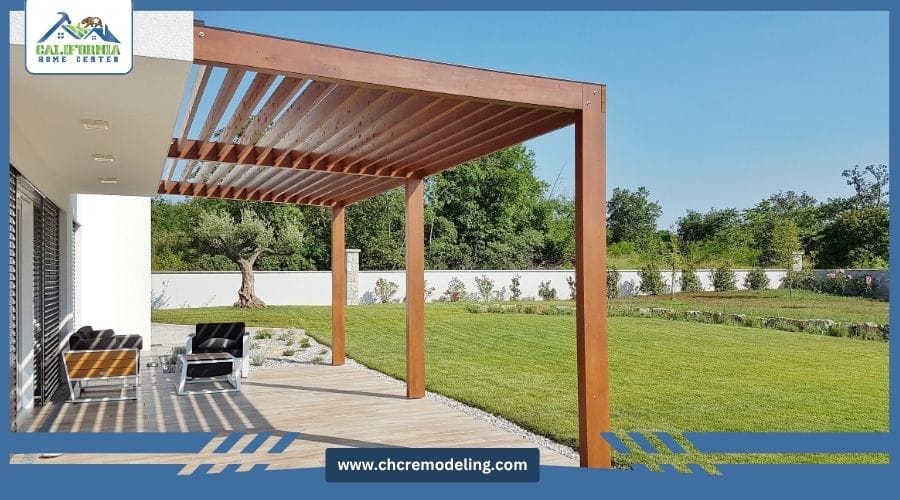
Following outdoor construction rules keeps your project legal and safe. In regions with freezing temperatures, footings must be set below the frost line to prevent ground movement due to freeze-thaw cycles.
- Building Permits: Official documents from your local building department that confirm your architectural design meets municipal safety standards.
- The Frost Line: The minimum required soil depth to prevent freezing. Digging below the frost line prevents upward soil expansion from lifting and damaging the posts.
- Setback Rules: Municipal property guidelines that dictate exactly how close you can build a structure to your property lines.
- The IRC: The International Residential Code, which establishes the baseline engineering blueprints for load-bearing designs, span limits, and fastener selection.
Technical Specs for a Solid Pergola Foundation
A typical pergola footing requires a 10- to 16-inch diameter concrete pier. The depth ranges from 12 to 48 inches or more. Local building departments and existing soil conditions determine the final footing size and depth. This concrete base distributes overhead weight safely into the ground:
- Tributary Load: The calculated weight that each post must carry. This metric dictates the required width and thickness of the concrete footing.
- Soil Bearing Capacity: A physical measurement of your ground's natural compressive strength. Soils with low bearing capacity require wider footings to prevent settling.
- Concrete Forms: Rigid cardboard tubes inserted into the excavated holes. They create a smooth concrete finish and protect the curing concrete from surrounding soil movement.
- Post Bases: Galvanized steel or stainless steel structural brackets. They secure the wooden posts while keeping the wood elevated and dry above the concrete to prevent rot.
How a General Contractor Guarantees Pergola Stability
A general contractor manages proper excavation, alignment, and compliance with building codes. Professionals handle the structural engineering and site logistics to prevent costly construction failures:
- Utility Location: The process of identifying and marking underground gas, water, and electrical lines before digging begins.
- Hardware Selection: The targeted use of appropriate fasteners to resist shearing forces and prevent chemical reactions with treated wood.
- Laser Alignment: The use of precision optical or laser leveling tools to ensure posts sit plumb, and the roofline remains mathematically square.
- Risk Mitigation: The application of professional oversight, adherence to safety codes, and liability insurance to protect your property.
Secure Your Permanent Pergola Asset
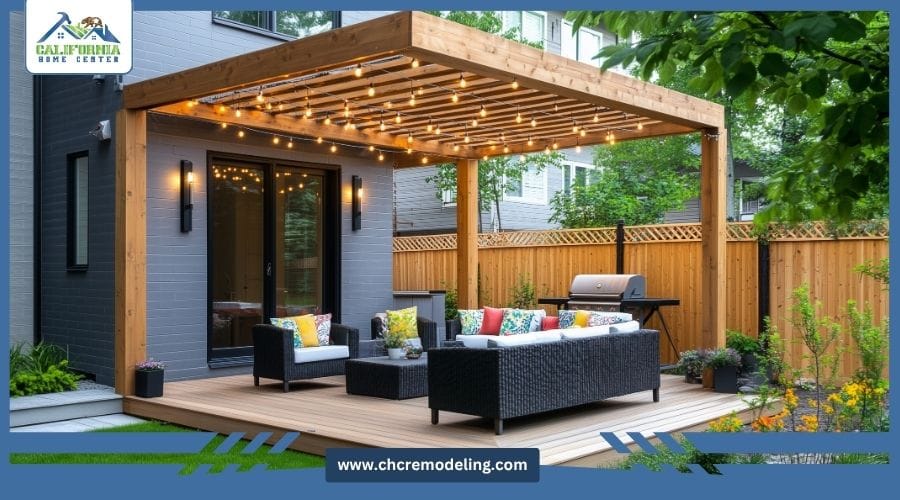
A pergola functions as a permanent architectural upgrade to your property, not just a simple backyard addition. By anchoring the structure with properly engineered footings, you secure a lasting, safe environment for outdoor living.
Following strict building codes and soil requirements prevents long-term structural failure. California Home Center is a full-service general contractor in Temecula, CA, specializing in custom homes, ADUs, exterior remodeling, and comprehensive home remodeling for residential property owners.
When you are ready to build, hire professionals who prioritize structural integrity and code compliance. Contact us today for reliable pergola installation services.
Frequently Asked Questions
How deep should pergola footings be?
In colder climates, footings must extend past the local frost line, which often exceeds 36 to 48 inches. In warmer climates, local building codes may permit shallower depths, typically starting around 12 inches.
Can you install a pergola on an existing concrete patio?
You can install a pergola on existing concrete only if the slab is thick enough and has footings to support the point load. Contractors generally recommend cutting through the patio to pour dedicated, deep footings for adequate wind resistance.
Do I need a permit for a pergola?
Municipalities usually require permits for attached pergolas or freestanding structures that exceed specific size limits, commonly 120 to 200 square feet. Check with your local building department for exact rules.
How do you anchor a pergola against high winds?
Contractors anchor pergolas by embedding heavy-duty, galvanized post bases into deep concrete footings. They secure the upper framing with specialized structural connectors, such as hurricane ties, to resist uplift and lateral forces.
What is the best way to attach a pergola to a deck?
The strongest method involves running the pergola posts directly through the deck boards and anchoring them to dedicated concrete footings below the deck. Alternatively, contractors can bolt the posts directly into the deck's primary structural joists using specialized tension ties.

41593 Winchester Rd Suite 200, Temecula, CA 92590
(951) 889-7577
https://chcremodeling.com
contact@chcremodeling.com
Recent Posts

What Is the Best Material for a Pergola
Mar 26, 2026