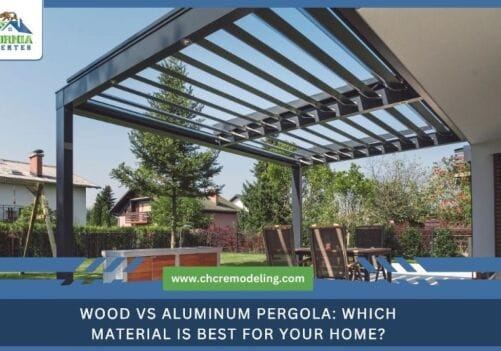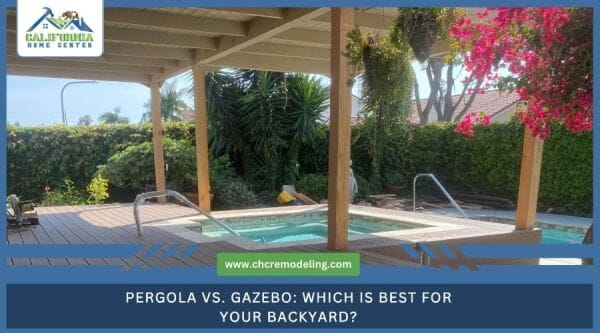
Choosing between a pergola and gazebo can be confusing when both promise shade and style for your backyard. The right choice depends on how much weather protection, privacy, and design flexibility you want.
The main difference between a pergola and a gazebo is the roof design. Pergolas use an open or slatted roof for partial shade, while gazebos feature a solid roof that offers full protection from rain and sun.
That difference in roof design impacts far more than appearance. It affects cost, maintenance, and how the space can be used year-round. Below, we break down cost, design, weather protection, and installation considerations so you can confidently plan your outdoor living space.
- What is the Difference Between a Pergola and a Gazebo?
- Pergola and Gazebo Feature Comparison
- Pergola Features and Utility
- Gazebo Features and Utility
- Pergola vs Gazebo Cost and Maintenance
- Engineering and Placement
- Choosing Between a Pergola or Gazebo for Your Yard
- Frequently Asked Questions
- What is the main difference between a pergola and a gazebo?
- Does a pergola provide protection from the rain?
- Is it cheaper to build a gazebo or a pergola?
- Which structure adds more value to a home?
- Can a pergola be attached to the house?
What is the Difference Between a Pergola and a Gazebo?
The main difference between these backyard structures is the design of the roof and the level of shelter they offer. Understanding these structural traits will help you determine which option fits your landscape:
- Pergola Structure: An open-roof system consisting of vertical posts and horizontal joists that creates a defined space without blocking airflow.
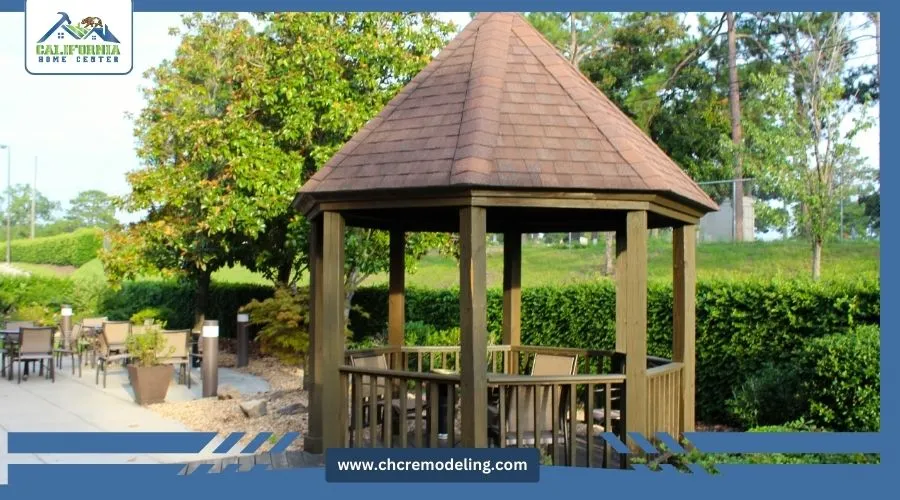
- Gazebo Structure: A freestanding pavilion that features a permanent solid roof and often includes a raised floor or built-in seating.
- Functional Purpose: A shade structure designed for filtered sunlight and architectural interest versus a sanctuary built for total weather coverage.
Pergola and Gazebo Feature Comparison
Choosing a gazebo or pergola for shade depends on your specific needs for weather coverage and design. This table breaks down the primary differences between these popular backyard structures:
| Feature | Pergola | Gazebo |
| Roof Type | Open-roof (lattice/rafters) | Solid roof (shingles/metal) |
| Shape | Rectangular or square | Hexagonal, octagonal, or round |
| Weather Protection | Light, filtered shade | Full overhead rain and sun protection |
| Attachment | Can be attached to the house | Strictly freestanding |
Pergola Features and Utility
Pergolas are highly adaptable structures that offer a modern aesthetic while serving as a framework for your landscape. Homeowners often choose this style for its ability to blend seamlessly with an existing patio:
- Visual Impact: Provides clean architectural lines that define an area for lounging or dining without feeling enclosed.
- Customization: Offers the ability to add retractable canopies or motorized louvers to adjust the amount of sun coming through the rafters.
- Botanical Support: Functions as a sturdy lattice for climbing vines like jasmine or wisteria to create natural, cooling shade.
Gazebo Features and Utility
A gazebo is a traditional focal point designed to offer a year-round retreat from the elements. Because they are fully covered, they are ideal for those who want a dedicated spot that stays dry in any weather:
- All-Weather Shielding: Features a solid roof that provides reliable protection from heavy rain, snow, and direct UV rays.
- Privacy and Enclosure: Allows for the installation of insect screens or glass panels to create a bug-free and private outdoor room.
- Versatile Use: Serves as a perfect location for an outdoor kitchen, a hot tub enclosure, or a formal garden destination.
Pergola vs Gazebo Cost and Maintenance
Budget and upkeep are significant factors when deciding which structure to install in your yard. Costs vary based on the complexity of the roof and the specific pergola material comparison you choose:
- Overall Expense: Pergolas generally have a lower pergola vs gazebo cost because they require fewer materials and less intensive labor.
- Metal vs Wood Pergola: Aluminum options often have a higher upfront price than wood, but offer much greater longevity.
- Aluminum Pergola vs Wood Cost: A metal build is more expensive than basic pressure-treated timber but eliminates the cost of yearly staining.
- Cedar vs Aluminum Pergola: Natural wood offers a classic look but requires regular sealing, while aluminum is a low-maintenance alternative.
Engineering and Placement
Proper engineering and site placement ensure that your structure is safe and functional for years to come. You must consider the physical environment and how the structure connects to your property:
- Structural Integrity: Requires careful consideration of wind and snow loads to ensure the posts are properly anchored into concrete.
- Site Integration: Offers the choice between building a freestanding pavilion or attaching a pergola directly to the house as an extension.
- Material Selection: Influences the weight of the structure and the foundation prep needed, especially when choosing between cedar vs vinyl.
Choosing Between a Pergola or Gazebo for Your Yard
Deciding on the best structure for your home involves balancing your local weather patterns with your desire for either an airy architectural frame or a fully sheltered outdoor room. While a pergola offers modern versatility and the perfect spot for climbing plants, a gazebo provides the durable, all-season reliability needed for all-weather dining and maximum privacy.
By matching the material and style to your existing architecture, California Home Center can help you build a high-quality retreat that maximizes the functional value and market appeal of your property for years to come. Call us today for expert pergola installation.
Frequently Asked Questions
What is the main difference between a pergola and a gazebo?
The main difference is the roof; pergolas have an open-slatted roof for partial shade, while gazebos have a solid, permanent roof for full coverage.
Does a pergola provide protection from the rain?
No, a standard pergola roof is open and does not block rain. You would need a motorized louver system or a waterproof canopy for rain protection.
Is it cheaper to build a gazebo or a pergola?
It is usually cheaper to build a pergola because it requires fewer materials for the roof and does not require a built-in floor.
Which structure adds more value to a home?
Both add value, but pergolas can offer a higher return on investment because they are popular in modern design and cost less to install.
Can a pergola be attached to the house?
Yes, pergolas are often designed as a home-attached extension to shade a patio, whereas gazebos are almost always freestanding.

41593 Winchester Rd Suite 200, Temecula, CA 92590
(951) 889-7577
https://chcremodeling.com
contact@chcremodeling.com
Recent Posts

What Is the Best Material for a Pergola
Mar 26, 2026