The primary types of landscaping include xeriscape, English garden, modern minimalist, tropical, Tuscan, and desert styles. Choosing a specific category dictates your property's water usage, maintenance needs, and structural layout. Many homeowners buy plants without a structured plan. However, a successful exterior project requires matching your region's climate and soil conditions with a proven design framework. Understanding these core options prevents you from wasting money on vegetation that fails in your environment.
How to Compare Landscaping Styles: Cost vs. Maintenance
Evaluating your options requires analyzing upfront material costs and long-term maintenance requirements. The table below illustrates how different styles impact your budget and your weekly yard work:
| Landscaping Style | Primary Benefit | Main Disadvantage | Best For |
| Xeriscape | Extremely low water usage | Higher upfront material costs for stone | Arid climates |
| English Garden | High visual density and color | Requires constant pruning and weeding | Active gardeners |
| Modern Minimalist | Increases functional living space | Can feel stark without proper lighting | Contemporary homes |
| Tropical | Creates a dense, private canopy | High water and fertilizer requirements | Humid, coastal zones |
| Tuscan | Highly durable masonry and stone | Natural stone materials carry high costs | Mediterranean climates |
| Desert Landscaping | High heat tolerance | Limited plant variety and sparse visuals | Hot, dry regions |
The 6 Main Types of Landscaping for Residential Yards
Every property has specific functional needs. Your chosen style should balance visual aesthetics with the time you actually want to spend on maintenance. These six core landscaping categories offer distinct technical requirements for different regional climates:
- Xeriscape: This style prioritizes water conservation. It utilizes native plants, gravel, and efficient irrigation to create a structured yard that requires minimal maintenance once established.
- English Garden: This approach relies on dense greenery and perennial flowers like roses and lavender. It creates a soft aesthetic but requires cool climates, consistent rainfall, and heavy upkeep.
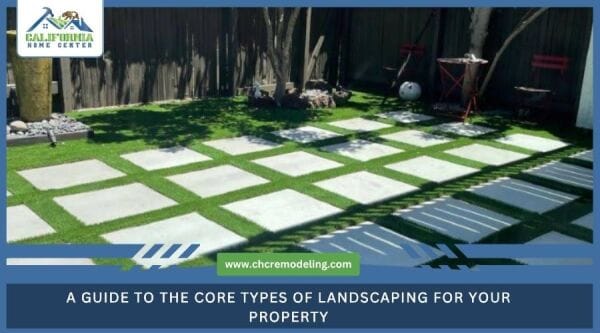
- Modern Minimalist: This design uses clean lines, geometric concrete pavers, and a restricted plant palette. It organizes the yard into clear, functional outdoor rooms.
- Tropical: This category uses broad-leaf plants and vibrant foliage to replicate a dense rainforest environment. It requires warm temperatures, high humidity, and strict watering schedules.
- Tuscan: This style integrates heavy stone elements, terracotta masonry, and drought-tolerant Mediterranean vegetation like olive trees and cypress. It provides a highly durable, rustic exterior.
- Desert Landscaping: This method focuses on extreme heat tolerance. It relies heavily on cacti, succulents, and crushed rock, focusing strictly on water-efficient landscaping principles.
How to Choose the Best Type of Landscaping for Your Property
Choosing a design involves more than looking at pictures. You must factor in regional weather, solar exposure, and your property's intended use. Evaluate these technical elements before breaking ground:
- Maintenance Capacity: Calculate the exact hours you want to spend weeding and pruning each week. If your time is limited, prioritize hardscaping and gravel over turf and flower beds.
- Solar Exposure: Determine your exact local climate using a tool like the USDA Plant Hardiness Zone Map. Track which zones of your yard receive full sun or heavy shade to dictate your plant selection.
- Functional Intent: Define the space. Decide if the yard serves as a high-traffic play area for children, a hardscaped zone for outdoor dining, or a dense perimeter for privacy.
- Soil Composition: Test your soil to identify if you have sandy, loamy, or heavy clay dirt. Your soil type dictates your drainage strategy and restricts which plant species will survive.
- Municipal Restrictions: Review your local HOA guidelines and city zoning codes. Many municipalities restrict certain invasive plant species or mandate specific ratios of permeable surfaces.
When to Hire a Professional Landscaping Contractor
Planting basic shrubs is a standard DIY task. However, altering your land's grading, pouring concrete, or building structural add-ons like ADUs requires heavy equipment and technical expertise. Contact a professional when your project involves safety risks, municipal permits, or complex water management:
- Grading and Drainage: Hire a contractor if water pools near your foundation. Professionals must grade the land properly to direct runoff away from your house and prevent structural damage.
- Hardscape Construction: Rely on a contractor to build permanent structures like retaining walls, poured concrete patios, or load-bearing masonry that require municipal building codes.
- Irrigation Installation: Bring in an expert to trench and install automated underground sprinkler systems. Proper installation prevents pipe leaks and ensures efficient water distribution.
- Heavy Tree Removal: Hire a licensed professional to fell or extract mature trees. Handling massive root systems and heavy timber presents extreme safety and property damage risks.
- Permit Acquisition: Use a contractor who understands local zoning laws to secure the required permits before you pour concrete or alter your property lines.
Executing Your Landscape Design Plan
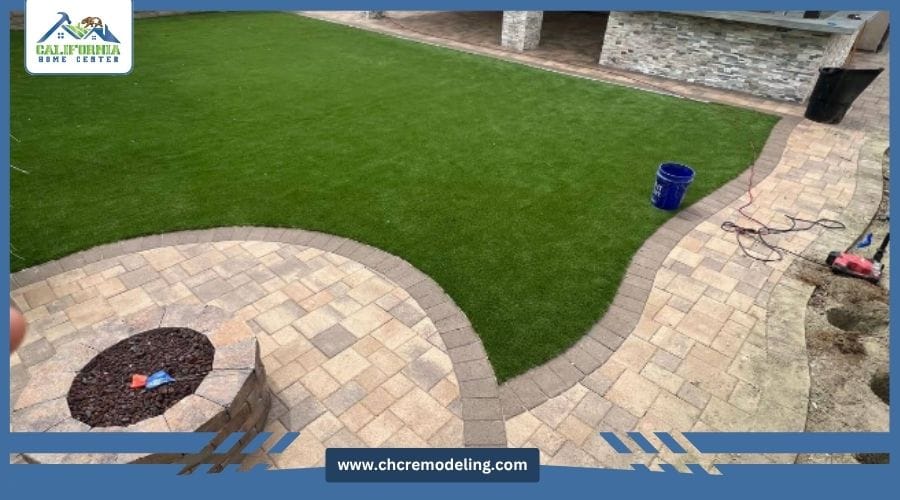
A successful exterior remodel balances your visual preferences with your land's physical limitations. Select a landscaping type that aligns with your regional climate to ensure long-term plant survival and manageable maintenance. Map out your functional zones early, and hire an expert for the heavy structural and grading tasks to protect your property's integrity. Our landscaping and hardscape team handles that structural and grading work start to finish.
Connect with our landscaping architect to spec your outdoor remodeling project today.
Frequently Asked Questions
What are the 4 main types of landscaping?
Landscaping categorizes into hardscape and softscape, or by overarching design styles such as formal, informal, and natural. Each category addresses specific site goals, ranging from aesthetic curb appeal to environmental sustainability and erosion control.
What is the difference between hardscape and softscape?
Hardscape refers to the non-living, structural elements of your property, including concrete pavers, retaining walls, decks, and masonry. Softscape encompasses all the living, horticultural elements like grass, shrubs, perennials, and trees.
How do I choose a landscaping style for my home's architecture?
Match your exterior design to your home's geometric lines. A contemporary home with sharp, straight angles pairs best with modern minimalist landscaping. A traditional home integrates well with the flowing, organic shapes of an English garden or natural landscape.
What are the most popular outdoor remodeling trends in 2026?
Current property trends emphasize high-utility outdoor living spaces. This includes installing weather-resistant outdoor kitchens, permanent shade structures, resort-style pools and spas, and smart irrigation controllers that utilize real-time local weather data to minimize water waste.
Which landscaping type is best for drainage control?
Integrating bioswales and rain gardens provides the most effective natural drainage control. These specialized landscaping features utilize deep-rooted native plants and engineered soil mixes to capture, filter, and redirect storm runoff away from your foundation.

41593 Winchester Rd Suite 200, Temecula, CA 92590
(951) 889-7577
https://chcremodeling.com
contact@chcremodeling.com
Recent Posts

ADU Requirements Every Homeowner Should Know
Jun 30, 2026