Understanding local and state ADU requirements helps you avoid unexpected delays, redesign costs, and permit issues during your backyard building project. This article explains the zoning rules, permit steps, and planning details you need before adding a guest house, rental unit, or family living space to your property.
Before finalizing your blueprints, you should review practical structural ADU ideas to see what works best for your lot size, budget, and long-term goals. Keep reading to learn how to understand building codes, avoid common mistakes, and move through the permit process with more confidence.
- What Makes a Compliant Accessory Dwelling Unit
- State Mandates Versus Local City Ordinances
- What Are the Core ADU Laws and Requirements?
- The Income Seeker and Owner Occupancy Rules
- Multi-Generational Families and Permit Timelines
- Multi-Family Investor Expansion Opportunities
- Common Building Pitfalls and Penalties
- Streamline Your Building Process With Local Experts
- Frequently Asked Questions
- What is the penalty for non-compliance when building an ADU?
- Is an ADU legally required to have a dedicated parking space?
- How large can I build a detached ADU on my lot?
- Can a local homeowner association block my ADU project?
- Do I have to live on the property to rent out my ADU?
What Makes a Compliant Accessory Dwelling Unit
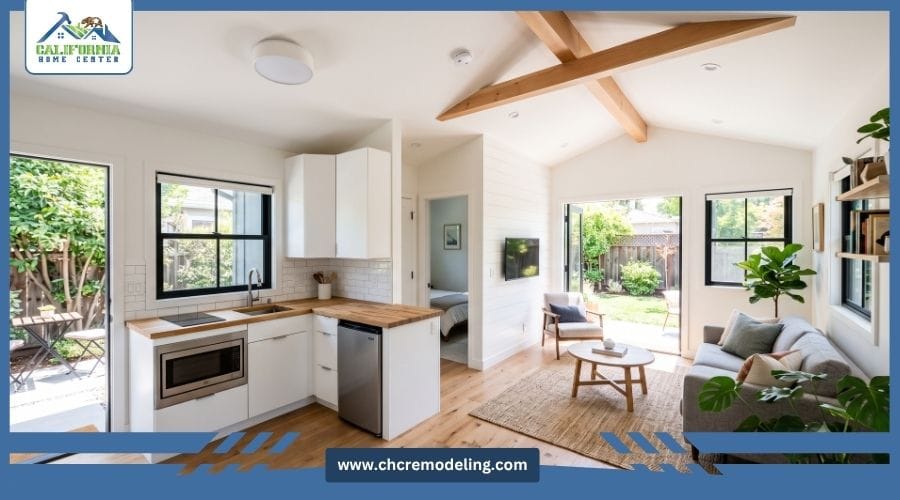
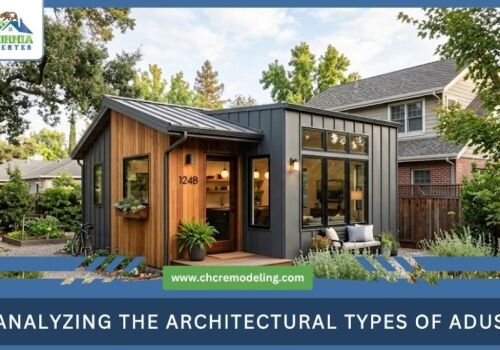
A compliant accessory dwelling unit features a private entrance, dedicated cooking space, sleeping area, and full bathroom while meeting state and local zoning codes. Building a best-in-class secondary suite means planning the layout, utilities, access, and setbacks before submitting your permit application.
An accessory dwelling unit, or ADU, acts as an independent living space located on the same lot as a primary home. Homeowners can choose from several types of ADUs depending on their lot size, budget, and goals. Smart planning helps you maximize usable space while avoiding preventable redesigns, delays, and fee issues. The official California ADU Handbook gives homeowners a helpful starting point for understanding statewide ADU rules.
State Mandates Versus Local City Ordinances
State ADU laws often limit how much local cities can restrict the construction of secondary dwelling units. Your city may still review important project details, but local rules cannot block ADU rights protected under California law.
Local building departments may review:
- Exterior design and property layout
- Safety standards and fire access
- Utility connections and drainage
- Setbacks, height, and site conditions
- Permit documents and construction plans
When working with municipal building departments, you may encounter city planners who reference older local rules. Understanding how state ADU requirements interact with city ordinances helps you ask better questions, submit stronger plans, and avoid unnecessary delays — something an experienced custom home builder in Temecula handles as a matter of course.
What Are the Core ADU Laws and Requirements?
The most important ADU requirements involve unit size, setbacks, parking, utilities, owner occupancy, and permit review timelines. Checking these rules early helps your project pass the first round of city review without costly structural revisions.
Local jurisdictions handle permit applications differently based on your lot, zoning district, fire access, and existing structures. Review these common requirements before finalizing your architectural plans.
| ADU Requirement | What Homeowners Should Know |
| Size Limits | Many detached ADUs can reach up to 1,200 square feet, depending on the property and local rules. |
| Setbacks | New detached ADUs commonly need at least four feet from the side and rear property lines. |
| Parking | Parking may not be required if the property is near public transit or involves an existing structure conversion. |
| Utilities | Your plans may need electrical, plumbing, sewer, and energy compliance details. |
| Permit Review | Cities generally must approve or deny a complete ADU application within the required review period. |
The Income Seeker and Owner Occupancy Rules
California has removed most owner occupancy requirements for standard ADUs, giving many homeowners more flexibility. This change allows some property owners to rent the main home, the ADU, or both, depending on the property type and local rental rules.
In the past, some ADU projects required the property owner to live in the primary home. Current rules are more flexible for standard ADUs, but junior accessory dwelling units may still have special requirements depending on the layout and sanitation setup. Homeowners should confirm these details before using a JADU for rental income.
Multi-Generational Families and Permit Timelines
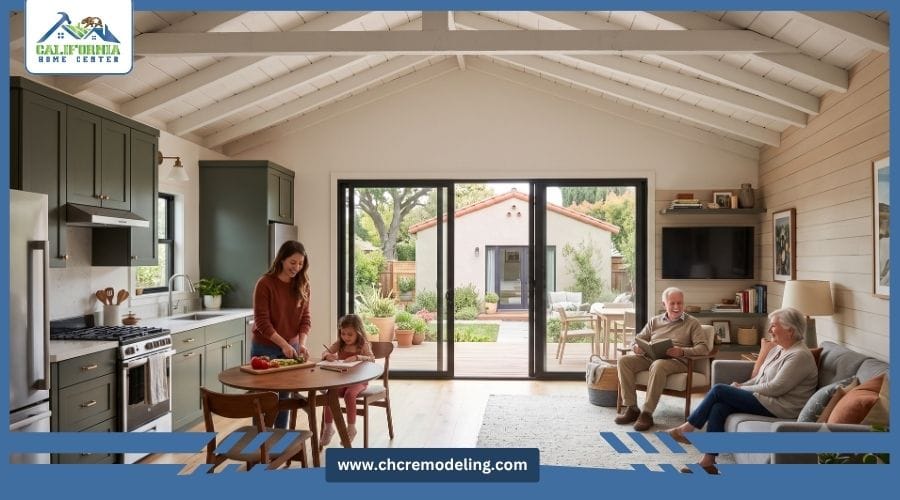
Families building backyard homes for aging parents benefit from California's streamlined ADU review rules. Cities generally must approve or deny a complete ADU permit application within the required review window, and state law may treat delayed responses as deemed approval in certain cases.
A garage conversion can offer a faster path to housing family members because the structure already exists. Converting a garage may also reduce setback conflicts if the new living space stays within the original footprint.
Multi-Family Investor Expansion Opportunities
Multi-family investors may be able to add accessory dwelling units to existing duplexes, apartment buildings, or underused residential lots. These projects can increase usable living space without requiring a full ground-up development plan.
Repurposing storage rooms, garages, carports, or surface parking areas may create new housing opportunities on land that already serves residential use. The California Department of Housing and Community Development also notes that ADUs can qualify for certain streamlined review paths and CEQA exemptions when they meet the right conditions.
Common Building Pitfalls and Penalties
Building an accessory unit without proper permits can trigger fines, code enforcement action, and expensive correction work. In serious cases, the city may require major reconstruction or removal of the unpermitted structure.
Skipping the legal permitting process can also create problems with insurance, resale, and rental. Start every project with a clear zoning review, a complete permit application, and accurate construction plans to protect your property value and financial investment.
Streamline Your Building Process With Local Experts
Streamlining your ADU project starts with accurate zoning review, complete plans, and a contractor who understands California permit rules. California Home Center is a full-service general contractor in Temecula CA, specializing in custom homes, ADUs, exterior remodeling, and comprehensive home remodeling for residential property owners.
Partnering with experienced ADU contractors helps your new build comply with state regulations, avoid preventable delays, and move through the permitting process with greater confidence. Contact our team today to schedule your initial lot evaluation and start planning a fully compliant ADU.
Frequently Asked Questions
What is the penalty for non-compliance when building an ADU?
Unpermitted ADUs can lead to city fines, correction orders, rental limits, insurance issues, and possible removal of the structure.
Is an ADU legally required to have a dedicated parking space?
Not always. Many ADUs qualify for parking exemptions, especially near public transit or when converting an existing garage or structure.
How large can I build a detached ADU on my lot?
Many California lots allow an 800-square-foot detached ADU, while some properties may qualify for up to 1,200 square feet.
Can a local homeowner association block my ADU project?
An HOA usually cannot fully ban ADUs, but it may enforce reasonable design rules for exterior finishes, colors, and materials.
Do I have to live on the property to rent out my ADU?
Most standard ADUs no longer require owner occupancy in California, but some JADUs may still have special owner occupancy rules.

41593 Winchester Rd Suite 200, Temecula, CA 92590
(951) 889-7577
https://chcremodeling.com
contact@chcremodeling.com