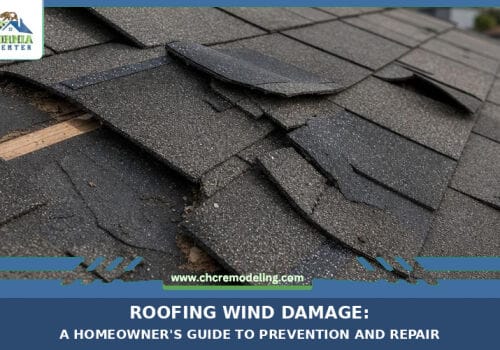
How long are roof warranties? Replacing a roof is a massive investment, making this the smartest question you can ask before signing a contract. Generally, roofing material warranties range from 20 years to limited lifetime coverage, while contractor workmanship warranties can range from a few years to 25 years or more, depending on the contractor and warranty terms.
A warranty is not a magical shield that covers every possible leak, but rather a specific legal agreement detailing exactly what the manufacturer or contractor will fix if something fails. By understanding the different types of coverage and the strict rules that keep them active, you can avoid surprise bills down the road. In this guide, we will break down exactly how these agreements work and how to protect your property.
- How Roof Warranties Work
- The Standard Manufacturer's Material Warranty
- Upgrading to an Extended Manufacturer's Warranty
- The Contractor Workmanship Warranty
- What Voids a Roof Warranty?
- How to Manage Your Warranty Lifecycle
- Keeping Your Roofing Investment Secure
- Frequently Asked Questions
- Are roof warranties legally required, and what is the penalty for non-compliance?
- Does my homeowner's insurance cover what the roof warranty excludes?
- How long does a standard asphalt shingle warranty actually last?
- Can I transfer my roof warranty to a new buyer when I sell my house?
- What is the difference between a material warranty and a workmanship warranty?
How Roof Warranties Work
A roof warranty acts as a safety net that splits the financial risk of a new roof between you, the company that made the materials, and the contractor who nailed them down. It outlines a set timeframe where the manufacturer promises their shingles will not fall apart prematurely, and the roofer promises their installation will not leak. If a defect or error occurs within that window, the responsible party steps in to cover the replacement costs.
The role of this agreement is also to set clear boundaries on liability. It protects roofing companies from paying for damages caused by extreme weather, poor home maintenance, or unauthorized DIY repairs. Because the terms are highly specific, understanding how your warranty works ensures you know exactly who to call when a problem pops up and what maintenance you must do to keep the coverage valid.
The Standard Manufacturer's Material Warranty
This is the baseline protection that comes straight out of the box with almost all roofing materials like asphalt shingles. It is highly specific to the physical product itself and comes with strict limitations on labor costs:
- What It Is: A guarantee from the company that built the shingles that their product is free from factory defects.
- Duration: These are often heavily prorated, meaning you get full coverage for the first 5 to 10 years before the payout value drops significantly as the roof gets older.
- What It Covers: Primarily manufacturing defects in the roofing materials. Some warranties may also cover labor costs during an initial non-prorated protection period.
- The Fine Print: Labor, tear-off, disposal, and installation costs may be excluded or limited depending on the manufacturer, product, and warranty period.
Upgrading to an Extended Manufacturer's Warranty
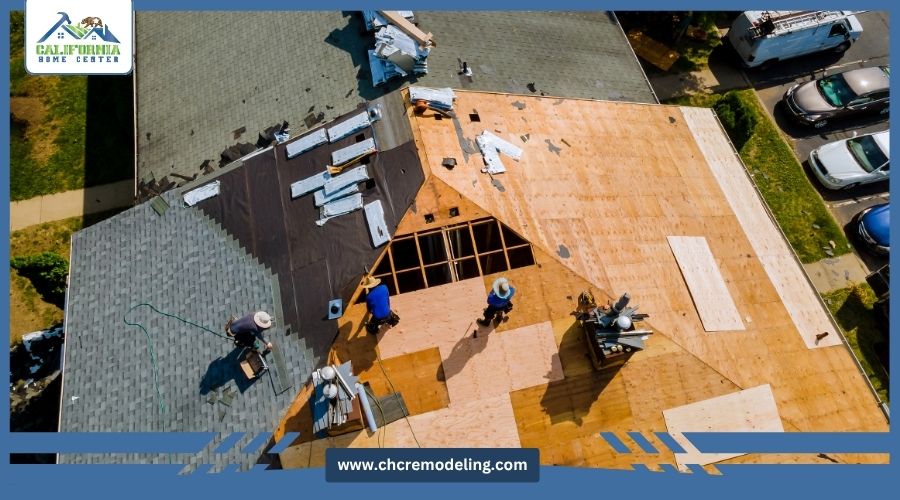
You can unlock this top tier of protection by hiring a contractor who is heavily certified by the specific brand of materials you choose. It costs a bit more upfront but provides the most comprehensive safety net available for your home:
- What It Is: A premium upgrade that covers the entire roofing system, including underlayment and ventilation components.
- Duration: Depending on the manufacturer and warranty level, enhanced coverage may provide a non-prorated protection period of up to 50 years, subject to specific product and installation requirements.
- What It Covers: It pays for both the defective materials and the labor required to fix the issue.
- The Fine Print: Some of these premium plans even cover the contractor's workmanship, meaning the manufacturer will pay another certified team to fix your roof if your original installer goes out of business.
The Contractor Workmanship Warranty
Even the most expensive shingles in the world will fail if the crew installs them incorrectly. This agreement comes directly from your local roofing company to back up their actual labor on the job site:
- What It Is: A promise from the installation crew that they built your roof according to local codes and manufacturer specifications.
- Duration: The timeline varies widely depending on the contractor, typically ranging anywhere from 2 to 25 years.
- What It Covers: Leaks, missing shingles, or structural damage caused specifically by worker mistakes or poor installation methods.
- The Exclusions: It doesn't cover material factory defects or damage caused by falling trees and severe storms.
What Voids a Roof Warranty?
Roofing companies and manufacturers use strict guidelines to limit their financial liability when a claim is filed. If you or a previous owner make these common mistakes, the company has the legal right to cancel your coverage instantly:
- Poor Attic Ventilation: Trapped heat will bake your shingles from the inside out, which is considered a building flaw rather than a material defect.
- Over-Layering Shingles: Installing new shingles over an existing roof may affect warranty coverage if the installation does not meet the manufacturer's requirements or local building codes.
- Unauthorized Alterations: Installing solar panels, satellite dishes, or skylights without using a certified roofer compromises the waterproof barrier.
- Standing Water: Persistent ponding water on flat or low-slope roofing can contribute to premature deterioration and may be excluded from warranty coverage, depending on the roofing system and manufacturer terms.
Protect yourself from claim denials by proactively addressing the most common failure points.
| Variable/Symptom | Impact/Cause | Recommended Action |
| Installing new shingles over old ones | Possible Warranty Impact. Installing new shingles over an existing roof may affect coverage if the installation does not meet manufacturer requirements. | Mandate a complete tear-off of the wooden roof deck during installation. |
| Ponding water on flat or low slope roofs | Possible Warranty Impact. Persistent ponding water may indicate a drainage or slope issue and may be excluded from warranty coverage. | Install tapered insulation or auxiliary drains to correct the roof pitch. |
| Installing a satellite dish or solar panels | Partial Warranty Void. Penetrating the roof deck compromises the watertight barrier. | Hire a certified roofing contractor to flash and seal all third-party structural penetrations. |
| Selling your home | Coverage Loss. Transfer requirements vary by warranty and manufacturer. | Review the warranty terms and submit any required transfer documents and fees within the manufacturer's specified deadline. |
How to Manage Your Warranty Lifecycle
Keeping your protection active requires a bit of proactive organization long after the installation crew leaves your driveway. You must treat your warranty paperwork like any other critical financial document to ensure it works when you need it:
- Document Storage: Keep your original contract, proof of purchase, and manufacturer registration certificates in a safe place.
- Routine Maintenance: Clean your gutters twice a year and hire a professional for basic visual inspections to catch small issues early.
- Real Estate Transfers: If you sell your home, check the warranty's transfer requirements and deadlines. Some manufacturers require the new owner to submit transfer paperwork within a specific period after the sale.
- Professional Repairs: Use a qualified roofing contractor for repairs and follow your warranty's requirements, as improper or unauthorized work may affect coverage for related damage.
Keeping Your Roofing Investment Secure
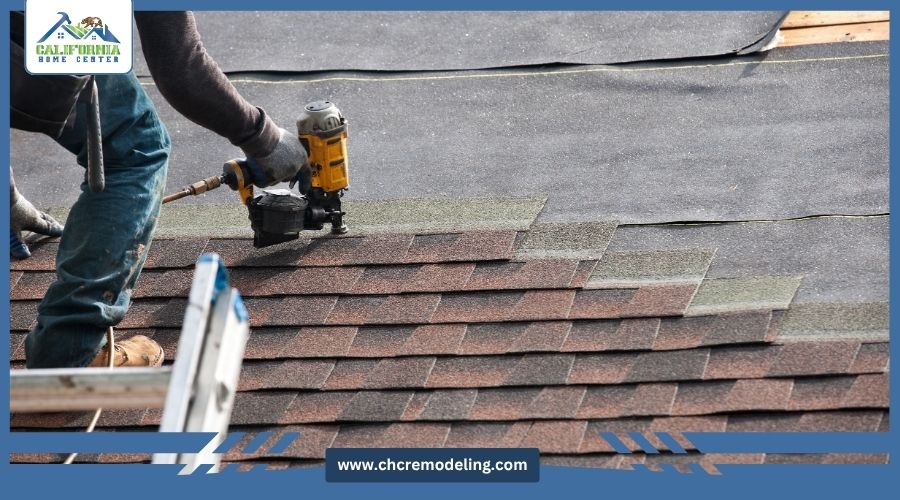
A new roof is meant to protect your family and your property for decades, and the right warranty ensures you do not have to pay for the same job twice. By understanding the difference between material and labor coverage, you can ask your contractor the right questions before you sign anything. Focus on hiring a certified professional, insist on proper attic ventilation, and keep your paperwork organized.
Taking these simple steps turns a basic piece of paper into a reliable financial safeguard for your home. At California Home Center, we ensure every roof we install meets the strictest manufacturer specifications, so your warranty stays completely valid for the long haul. Contact us today to schedule reliable roofing services and get a roofing system built to last.
California Home Center is a full-service general contractor in Temecula CA, specializing in custom homes, ADUs, exterior remodeling, and comprehensive home remodeling for residential property owners.
Frequently Asked Questions
Are roof warranties legally required, and what is the penalty for non-compliance?
Roof warranty requirements vary depending on the warranty provider and applicable laws. Roofing projects may also require local building permits depending on the location and scope of work. Failure to obtain a required permit can create code, inspection, or insurance issues and may affect warranty coverage if the installation does not meet the manufacturer's requirements.
Does my homeowner's insurance cover what the roof warranty excludes?
Homeowners insurance may cover certain types of sudden roof damage caused by events such as hail, high winds, or falling tree branches, depending on the policy, exclusions, and deductible. These types of losses may be handled through a standard homeowner's insurance claim, while roof warranties generally cover qualifying material defects or workmanship issues based on their specific terms.
How long does a standard asphalt shingle warranty actually last?
While they are often marketed as "Lifetime" warranties, standard asphalt shingle coverage is usually prorated. You typically get 100% material coverage for the first 5 to 10 years, and then the payout value drops drastically as the roof ages.
Can I transfer my roof warranty to a new buyer when I sell my house?
Most premium warranties allow a one-time transfer to a secondary owner. You must submit a written transfer request and pay a small fee to the manufacturer within a strict window, usually 30 to 60 days following the closing date.
What is the difference between a material warranty and a workmanship warranty?
A material warranty is provided by the manufacturer and covers factory defects in the physical shingles themselves. A workmanship warranty is provided by your local roofing contractor and covers the labor to ensure the roof was assembled correctly.

41593 Winchester Rd Suite 200, Temecula, CA 92590
(951) 889-7577
https://chcremodeling.com
contact@chcremodeling.com
Recent Posts

ADU Requirements Every Homeowner Should Know
Jun 30, 2026