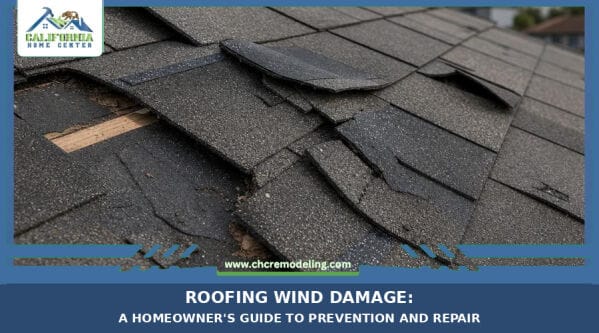
Severe storms can cause significant structural issues that slowly damage your home from the top down. While missing shingles are easy to spot, the most expensive forms of roofing wind damage happen completely out of sight and lead to major leaks months later. Key signs of this damage include broken adhesive seals, creased tabs, and exposed underlayment.
In this guide, you will learn how to spot hidden roof damage, fix structural failures, and upgrade your home to survive future storms.
What Are the Signs of Roofing Wind Damage?
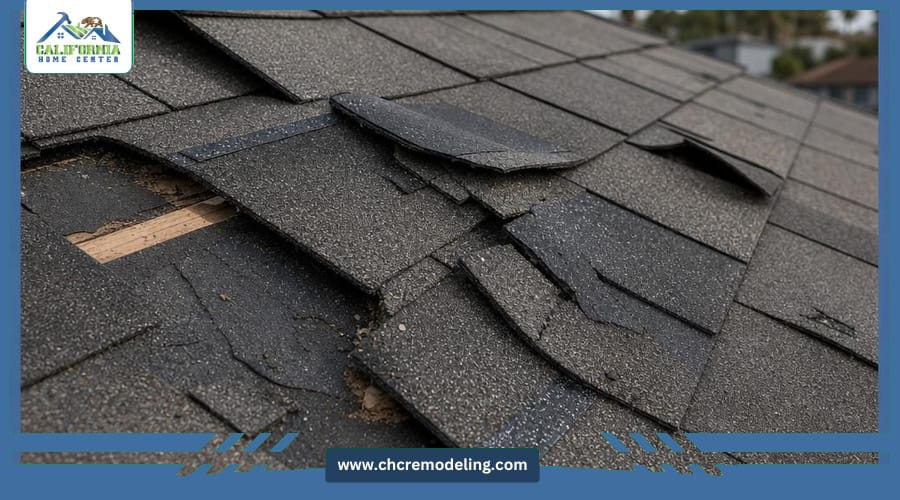
High winds can ruin a roof without leaving obvious gaps you can see from your driveway. You need to know exactly what to look for up close to catch these issues early:
- Missing or Displaced Shingles: Strong gusts can rip entire shingle tabs cleanly off the deck or shift them out of their proper alignment.
- Exposed Underlayment: When large sections of shingles blow away completely, the underlying tar paper or synthetic barrier becomes visible to the elements.
- Creased Shingles: Strong gusts lift the tabs repeatedly until the internal fiberglass cracks and leaves a dark horizontal line.
- Broken Glue Strips: The wind shears the factory adhesive underneath the shingles, leaving them loose and completely unprotected.
- Backed-Out Nails: The pulling force from the wind loosens the fasteners and pushes them up through the overlying shingles.
- Missing Granules: High-velocity air scours away the protective ceramic coating and exposes the raw asphalt beneath it.
- Dented Valley Flashing: Concentrated wind pressure or flying debris can warp metal valley liners and create direct water paths.
How to Stormproof Your Roof Before the Next Big One Hits
Waiting for a storm to hit before checking your roof is a massive financial gamble. Upgrading your materials during a roof replacement, paired with sound window and door installation, will ensure your home stands up to severe weather:
- Six Nail Patterns: Using six nails instead of the standard four gives each shingle extra holding power against high winds.
- SBS Modified Shingles: These rubberized shingles flex easily under extreme pressure instead of cracking or tearing off.
- Synthetic Underlayment: Upgrading from old felt paper gives you a heavy-duty secondary barrier that stops water if shingles blow away.
- Proper Starter Shingles: Installing dedicated starter strips along your eaves keeps the wind from getting a grip on your roof edge.
How to Repair Wind Damage to Your Roof
Fixing a roof properly requires a step-by-step approach to keep the structure completely watertight. Skipping the details will just cause wood rot and mold inside your attic:
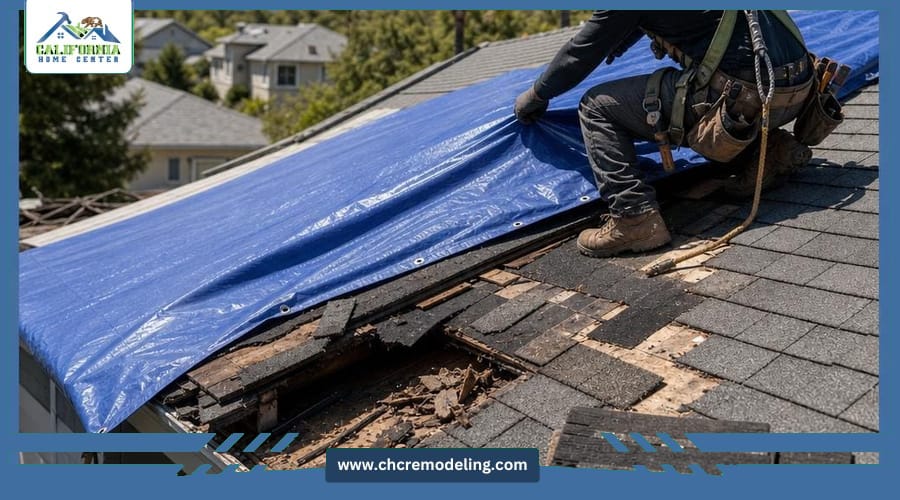
- Emergency Tarping: Nailing down heavy plastic over open areas keeps rain from destroying your ceilings while you wait for repairs.
- Shingle Replacement: Tearing out ruined tabs and installing new wind-rated shingles restores the roof to normal.
- Resetting Loose Decks: Driving fresh ring shank nails into loose plywood sections creates a solid foundation for the new materials.
- Hand Sealing Loose Tabs: Applying specialized asphalt cement under unsealed shingles locks them back down to the roof.
- Replacing Damaged Drip Edge: Tearing away bent metal edges and installing new pieces keeps wind from peeling up the perimeter.
- Sealing Flashing Penetrations: Re-caulking areas around chimneys and vents prevents high winds from pushing water backward into code joints.
Why a Professional Roofer Saves You More Money Than a DIY Fix
Climbing onto a steep roof to do your own repairs introduces massive safety and financial risks. Hiring a roof replacement services expert ensures the job satisfies both local building departments and your insurance company:
- Bulletproof Insurance Proof: Professional roofers can document damage with photographs, inspections, and moisture detection tools when needed, helping homeowners provide supporting evidence during the insurance claims process.
- Proper Safety Gear: Licensed pros use OSHA-compliant ropes and fall protection harnesses so nobody gets hurt on your property.
- Local Code Knowledge: Experts understand the exact wind speed regulations and fastening laws required to pass your city inspections.
- Factory Warranty Protection: Certified installers can offer extended coverage that stays valid if the roofing materials fail early.
- Commercial Grade Equipment: Professional crews have the pneumatic tools and heavy tear-off machinery needed to finish the job in a fraction of the time.
Ensure Your Roof Survives the Next Severe Windstorm
Ignoring small signs of wind damage today is an easy way to end up with an incredibly expensive full roof replacement down the road. Booking a hands-on professional inspection gives you the exact paperwork you need for insurance adjusters and keeps your ceilings dry. California Home Center is a full-service general contractor in Temecula CA, specializing in custom homes, ADUs, exterior remodeling, and comprehensive home remodeling for residential property owners.
Frequently Asked Questions
How much wind can a standard roof withstand?
The wind resistance of an asphalt shingle roof depends on the product, installation quality, and age of the roof. Many standard shingles are rated for winds around 60 to 80 MPH, while some architectural shingles are rated for winds of 110 MPH or more.
What are the signs of wind damage on a tile roof?
Tile roofs damaged by wind show signs like cracked, chipped, or completely missing clay or concrete tiles. You might also notice shifted tiles that expose the black underlayment underneath or loose perimeter flashing along the edges.
How do Santa Ana winds affect Temecula roofs?
Santa Ana winds bring powerful, sustained gusts and low humidity to Temecula, drying out older roofing materials and making them brittle. The intense air pressure can easily lift unsealed shingles or rattle concrete tiles loose along exposed ridges.
Does homeowners' insurance cover roof wind damage?
Yes, most standard homeowners' insurance policies cover roof repairs or replacements caused by sudden windstorms or tornadoes. You will need to document the damage immediately and pay your designated policy deductible before the insurance coverage kicks in.
How long do I have to file a roof claim after a wind event?
The deadline to file a roof damage claim varies by insurance company, policy terms, and state regulations. Filing as quickly as possible prevents normal wear and tear from confusing the adjuster, which reduces your risk of a claim denial.

41593 Winchester Rd Suite 200, Temecula, CA 92590
(951) 889-7577
https://chcremodeling.com
contact@chcremodeling.com
Recent Posts

ADU Requirements Every Homeowner Should Know
Jun 30, 2026