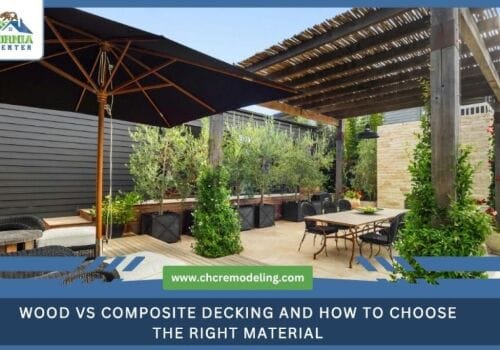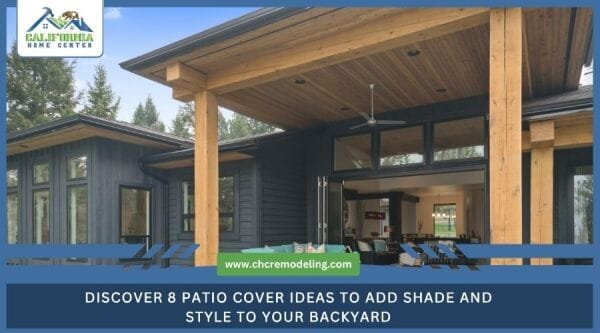
When the midday sun or sudden rain drives you indoors, exploring different patio cover ideas can help you reclaim your backyard and transform it into a functional living space. A properly built cover protects your family from the elements while adding usable square footage and style to your property. By combining structural framing with reliable roofing materials, you can seamlessly connect your indoor living room to your outdoor landscape. In this guide, we will walk you through top design options, selection criteria, and why bringing in an expert general contractor makes all the difference.
Understanding the Basics of a Patio Cover
A patio cover is a permanent or semi-permanent architectural structure built over an outdoor space to provide shade, block rain, and extend your home's usable living area. Unlike a simple outdoor umbrella, these structures often attach directly to your house or stand independently on properly sized footings or approved anchoring systems designed for local weather conditions.
By utilizing sturdy framing and dedicated roofing materials like wood, aluminum, or UV-blocking fabrics, a patio cover provides a reliable shelter that allows you to enjoy your backyard regardless of the forecast.
8 Patio Cover Ideas to Upgrade Your Outdoor Space
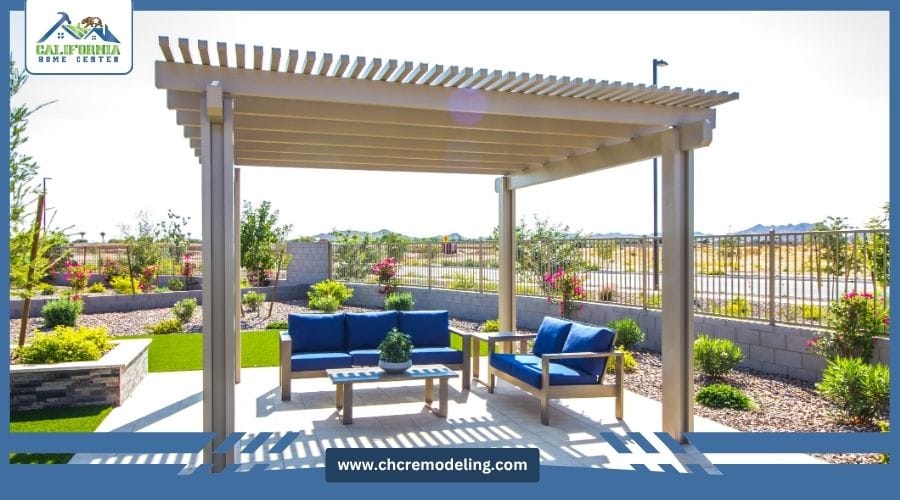 Upgrading your backyard requires choosing a design that matches your aesthetic preferences and local climate demands. Here are eight standout options to consider for your next remodeling project:
- Bioclimatic Louvered Pergolas: Motorized aluminum slats let you actively adjust for sun, shade, or rain with a remote control.
- Seamless Roof Extensions: A solid roof framed and shingled to match your home creates a permanent extension of your existing architecture.
- Classic Cedar Pergolas: Open wooden structures built with rot-resistant timber provide excellent support for climbing vines and natural canopy shade.
- Architectural Tension Shade Sails: UV-resistant synthetic fabric stretched over heavy steel anchor points offers a modern and artistic look.
- Retractable Motorized Awnings: Fabric shades mounted to your exterior wall automatically roll away during high winds to prevent structural damage.
- Alumawood Covers: Embossed aluminum structures provide the traditional look of painted wood without the need for constant scraping and painting.
- Polycarbonate Canopies: Industrial-style steel frames topped with impact-resistant translucent panels help reduce UV exposure while letting in natural light.
- Freestanding Gazebos: Grand standalone structures placed further out in your landscape create dedicated destination spaces for dining or lounging.
| Patio Cover Type | Pros | Cons |
| Bioclimatic Louvered Pergolas | Adjustable shade, modern design, rain protection | High upfront cost, requires electrical integration |
| Seamless Roof Extensions | Strong long-term value, fully waterproof, matches home architecture | Expensive, complex permitting, longer construction time |
| Classic Cedar Pergolas | Natural aesthetic, great for climbing plants, budget-friendly | Requires regular maintenance like staining, not waterproof |
| Tension Shade Sails | Artistic look, highly affordable, flexible sizing | Limited rain protection requires heavy-duty anchor points |
| Retractable Awnings | On-demand shade, space-saving | Vulnerable to high wind damage, fabric fades over time |
| Alumawood Covers | Low maintenance, durable, looks like real wood | Can dent upon heavy impact, limited roof weight capacity |
| Polycarbonate Canopies | Allows natural light in, blocks UV rays, waterproof | Can trap heat underneath, panels require regular cleaning |
| Freestanding Gazebos | Creates a dedicated landscape destination, grand style | Consumes significant yard space, often requires specific zoning |
How to Choose the Right Patio Cover for Your Home
Selecting the perfect structure means balancing your budget, local weather patterns, and specific functional needs. Review these core factors to ensure you make the most informed decision for your property:
- Assess Local Weather Conditions: Heavy snow loads require reinforced solid roofs, while high wind areas necessitate heavily anchored pergolas or retracting mechanisms.
- Define Your Usage Goals: Decide if you need completely waterproof protection for outdoor furniture or simply dappled shade for a garden seating area.
- Evaluate Maintenance Requirements: Wood requires frequent staining and termite checks, whereas aluminum and steel offer a hands-off approach.
- Determine Your Budget: Simple fabric sails keep costs low, but fully integrated roof extensions require a larger upfront financial investment.
- Check Neighborhood Restrictions: Homeowner associations often dictate approved materials, colors, and roof pitches for any exterior additions.
How a Professional Patio Installation Service Can Help
Attempting a major structural addition on your own often leads to foundation issues and severe code violations. Relying on an experienced contractor protects your investment by ensuring safety and legal compliance:
- Navigating Building Permits: Professionals handle the tedious paperwork and secure the necessary municipal approvals before construction begins.
- Ensuring Structural Integrity: Experts evaluate local wind load requirements and install properly sized footings to help prevent shifting or settling.
- Managing Complex Utilities: Licensed teams safely route hidden electrical wires for motorized louvers, ceiling fans, and overhead lighting.
- Avoiding Costly Mistakes: Doing it right the first time prevents property damage, utility line strikes, and expensive retroactive repairs.
Achieve Your Ideal Outdoor Living Space
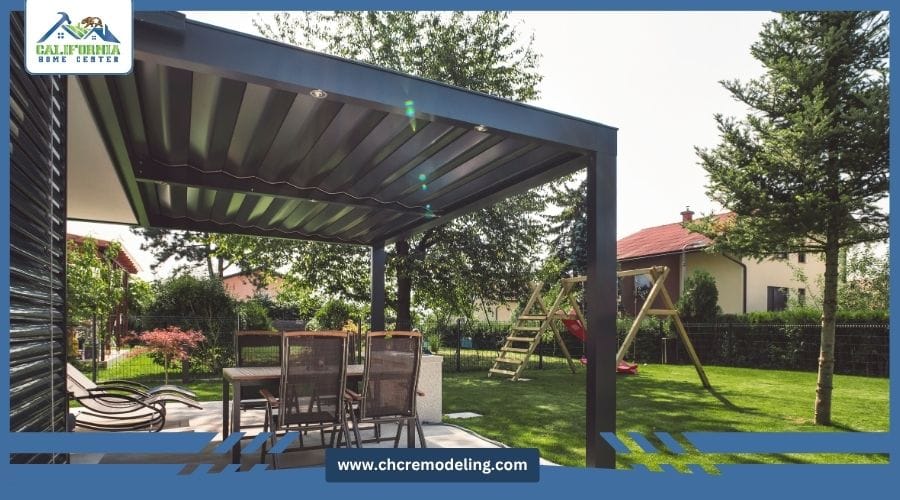
Finding the right shade structure is the best way to enjoy your property comfortably all year round. By thoroughly evaluating your options and partnering with a trusted professional, you can safely build a beautiful and lasting asset. A patio cover is usually one piece of a larger backyard remodel; we plan and build the full space, not just the cover.
A permitted and professionally built patio cover can improve outdoor usability and may increase buyer appeal while giving you a dedicated outdoor room for hosting friends or relaxing with your family. California Home Center is a full-service general contractor in Temecula CA, specializing in custom homes, ADUs, exterior remodeling, and comprehensive home remodeling for residential property owners.
Extend your living space with a custom patio cover. Get a quote for our patio installation service.
Frequently Asked Questions
What is the best type of patio cover for sun protection?
Solid roof extensions or bioclimatic louvered pergolas are the best options for ultimate sun protection. They provide complete coverage that blocks out intense midday heat and harmful UV rays entirely.
Do I need a permit for a patio cover in LA?
Yes. In Los Angeles, many attached patio covers and larger shade structures require a building permit. Requirements vary depending on the structure size, attachment method, and local building codes. Permit requirements are commonly enforced for structures attached to the home or projects that exceed local size and height thresholds.
What is the penalty for building a patio cover without a permit?
Municipalities will issue a stop-work order and levy daily fines until you secure retroactive permits. In worst-case scenarios, the city can mandate the immediate demolition of the structure. Furthermore, unpermitted covers create severe legal and financial hurdles when attempting to sell your home.
How much wind can a retractable motorized awning withstand?
Many high-quality retractable awnings are rated to withstand winds around 20 to 25 mph, depending on the model, mounting system, and manufacturer specifications. However, you must install an automated wind sensor that automatically retracts the awning during unexpected gusts to prevent the mounting bolts from tearing out of your siding.
What is the difference between a pergola and a solid patio cover?
A pergola features a slatted open roof design that provides dappled shade and allows airflow. A solid patio cover features a completely enclosed waterproof roof that provides total protection from rain and direct sunlight.

41593 Winchester Rd Suite 200, Temecula, CA 92590
(951) 889-7577
https://chcremodeling.com
contact@chcremodeling.com
Recent Posts

ADU Requirements Every Homeowner Should Know
Jun 30, 2026