
Wood vs composite decking is one of the biggest choices homeowners face when planning a new outdoor living space. Wood gives you a classic, natural look, while composite decking offers better durability with less maintenance. A successful backyard remodel should balance your budget, lifestyle, local building codes, and long-term plans.
Many homeowners choose a deck material based solely on upfront cost, but that can lead to more repairs, higher maintenance costs, or early replacement. This guide breaks down the key differences so you can choose the right deck material for your home.
- What Is the Best Material for a New Deck?
- Why Should You Choose Natural Wood Decking?
- Why Is Composite Decking a Smart Investment
- How Do Building Codes Affect Your Decking Choice
- Which Deck Material Offers the Best Return on Investment
- How Can You Avoid Common Deck Installation Mistakes
- Ready to Build Your Dream Outdoor Space
- Frequently Asked Questions
- Is a Permit Required to Build a Deck?
- How Long Will a Wood Deck Actually Last?
- Can You Paint or Stain Composite Decking?
- Does Composite Decking Get Too Hot for Bare Feet?
- Which Deck Material Is Safest for Dogs and Cats?
What Is the Best Material for a New Deck?
The best decking material depends on your budget, local climate, design goals, and how much maintenance you want to handle each year. Natural wood offers a warm, traditional look, but it needs regular care. Composite decking costs more upfront, but it lasts longer and requires less upkeep.
Here is a simple comparison:
| Feature | Natural Wood Decking | Composite Decking |
| Initial Purchase Price | Lower | Higher |
| Annual Maintenance | High | Low |
| Average Lifespan | 15 to 20 years | 25 to 50 years |
| Heat Retention | Usually stays cooler | Can get hot in direct sun |
| Pest Resistance | Can attract termites | Resists termites |
| Splinter Risk | Higher over time | Very low |
This comparison gives you a starting point, but the best choice also depends on how you plan to use your outdoor space.
Why Should You Choose Natural Wood Decking?
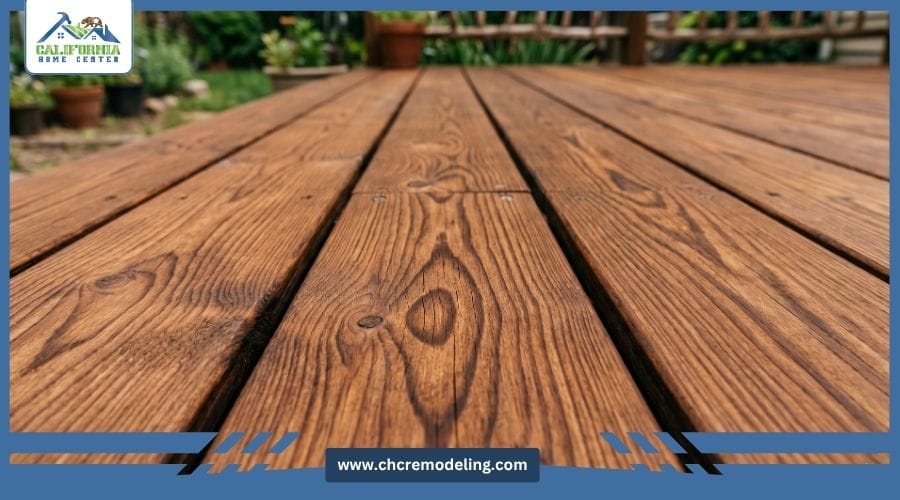
Natural wood gives your deck a classic and authentic look. It works well for homeowners who want real lumber, visible grain, and a more traditional outdoor design.
Wood is usually cheaper to buy and install upfront. It also tends to stay cooler than many synthetic boards in direct sunlight, which can matter if your deck gets heavy afternoon sun.
However, wood needs regular maintenance. You may need to stain, seal, clean, and inspect it every year to prevent rot, fading, splintering, and moisture damage.
You should also understand the type of wood being used. Pressure-treated wood, cedar, redwood, and hardwoods all have different costs, lifespans, and care needs. The EPA explains that wood preservatives help control rot, decay, mold, and wood-destroying insects, but treated wood still requires safe handling and proper use.
Why Is Composite Decking a Smart Investment
Composite decking mixes wood fibers with recycled plastics to create a strong, low-maintenance board. Many modern composite products resist fading, moisture, insects, and everyday wear better than natural wood.
Most composite decks only need basic cleaning with soap and water a few times a year. This makes composite a good choice for homeowners who want a clean look without ongoing staining or sealing.
The main drawback is the higher upfront cost. Still, that cost can make sense over time because you spend less on maintenance, repairs, and refinishing.
For many homeowners, composite decking is a smart long-term investment because it saves time and keeps the deck looking newer for longer.
How Do Building Codes Affect Your Decking Choice

Local building codes can affect what materials you can use for your deck. Before buying materials, check your city requirements, permit rules, and fire safety standards.
This is especially important in areas with wildfire concerns. Some regions require fire-resistant materials for exterior structures. Natural softwoods may need special treatment to meet certain fire safety rules.
Many California homes may also fall under Wildland-Urban Interface rules, which may require stricter fire-rated materials. CAL FIRE's WUI construction guidance includes ignition-resistant standards for decks, under-floor areas, roofs, windows, and other exterior features.
A licensed contractor can help confirm which materials meet your local code before the project starts.
Which Deck Material Offers the Best Return on Investment
Composite decking usually provides a better long-term return on investment for homeowners who want fewer repairs, less maintenance, and stronger durability. The savings from annual staining, sealing, and repairs can help offset the higher upfront cost.
A clean, low-maintenance deck can also help your home feel more move-in ready. Buyers often like outdoor spaces that look finished and do not require immediate work.
Wood can still be a good investment if you want a lower starting cost and are willing to maintain it properly. However, neglected wood can quickly lose value because rot, fading, and splintering make the deck look older than it is.
According to the 2025 Cost vs. Value Report, a composite deck addition can recover a strong share of its cost at resale. That makes material choice important not only for daily use, but also for long-term property value.
How Can You Avoid Common Deck Installation Mistakes
You can avoid common deck installation mistakes by planning around your climate, permits, material type, and daily use. A deck should not only look good on day one. It should also stay safe, strong, and easy to maintain for years.
Follow these rules before starting your project:
- Avoid natural wood in damp or shaded areas unless you are ready for heavy maintenance.
- Choose lighter composite boards if your deck gets direct afternoon sun.
- Secure the right permits before construction begins.
- Confirm the deck framing can support the chosen material.
- Use manufacturer-approved fasteners and installation methods.
- Plan for drainage, airflow, stairs, railings, and safe access.
A simple permit check can save you from expensive fines or forced corrections later. Professional contractors can also help prevent structural problems that often come from poor spacing, weak framing, or the wrong fasteners.
Ready to Build Your Dream Outdoor Space
Choosing between wood and composite decking comes down to your budget, design style, maintenance expectations, and local building rules. Wood gives you a natural look and lower upfront cost, while composite decking offers better durability, easier care, and stronger long-term performance.
California Home Center is a full-service general contractor in Temecula CA, specializing in custom homes, ADUs, exterior remodeling, and comprehensive home remodeling for residential property owners. Contact us today to start planning your new deck, outdoor living space, or patio installation with a team that understands material selection, permitting, design, and long-term durability.
Frequently Asked Questions
Is a Permit Required to Build a Deck?
Yes, most decks need a permit. Rules depend on height, size, location, and local building codes, so check before building.
How Long Will a Wood Deck Actually Last?
A well-maintained wood deck can last 15 to 20 years. Regular sealing helps protect it from rot, moisture, and sun damage.
Can You Paint or Stain Composite Decking?
You usually should not paint composite decking. It can damage the factory finish and may void the manufacturer warranty.
Does Composite Decking Get Too Hot for Bare Feet?
Composite decking can get hot in direct sun, especially darker boards. Choose lighter colors for better comfort in sunny yards.
Which Deck Material Is Safest for Dogs and Cats?
Composite decking is often safer for pets because it does not splinter and gives them a cleaner, more stable surface.

41593 Winchester Rd Suite 200, Temecula, CA 92590
(951) 889-7577
https://chcremodeling.com
contact@chcremodeling.com
Recent Posts

ADU Requirements Every Homeowner Should Know
Jun 30, 2026